

As the sun peeks through my kitchen window on a busy weeknight, the vibrant colors of fresh vegetables inspire me to create something nourishing yet effortless. Enter the vegan Buddha bowl—a delightful medley that not only pleases the eyes but also fills your belly with wholesome goodness. The best part? This recipe is fully customizable, allowing you to embrace your culinary creativity by swapping in your favorite ingredients or sauces.
Picture this: creamy roasted sweet potatoes, crisp radishes, and nutrient-dense kale come together to create a hearty dish that’s bursting with flavor. Drizzle it all with a zingy turmeric tahini sauce, and you’ve got yourself a meal that’s perfect for meal prep or a quick dinner. Trust me, this Buddha bowl recipe will not just impress your taste buds; it will also help you break free from the routine of fast food and bring the joy of homemade cooking back into your life. Let’s dive in!
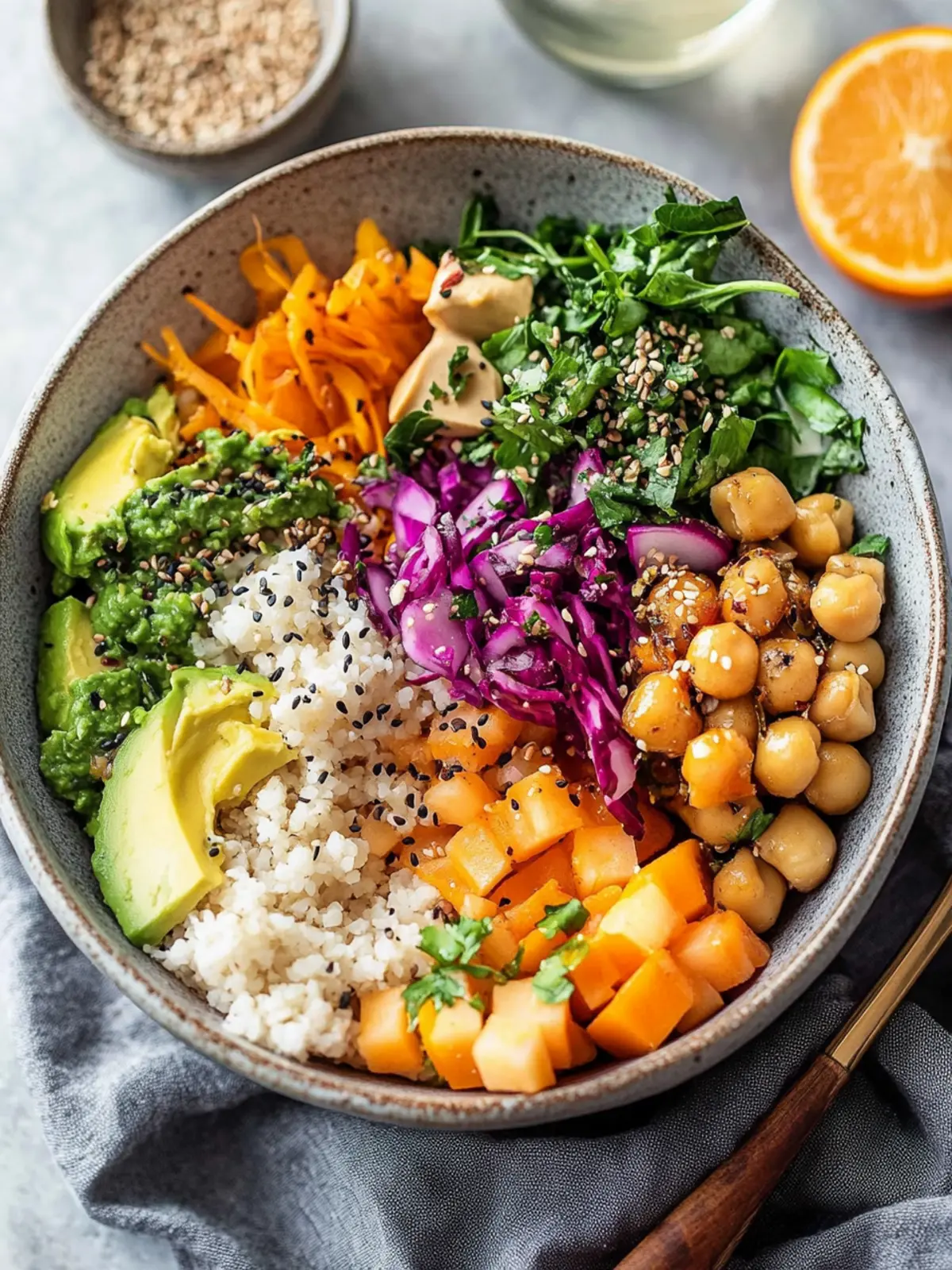
Why is this buddha bowl recipe a must-try?
Simplicity at its finest: This vegan Buddha bowl is incredibly easy to make, requiring minimal cooking skills.
Customizable goodness: Tailor it to your personal taste with various grains and veggies, ensuring every bite is just how you like it.
Packed with nutrients: Each ingredient is chosen for its health benefits, making it a powerhouse of vitamins and minerals.
A feast for the eyes: The colorful array of ingredients makes this bowl not only delicious but also visually stunning—a perfect centerpiece for your dinner table.
Meal prep-friendly: Easily prepare components in advance for quick and satisfying meals throughout the week, helping you maintain a healthy lifestyle.
By using the vibrant turmeric tahini sauce, you’ll elevate your meals and discover how enjoyable healthy cooking can be! Whether for a weeknight dinner or a weekend lunch, this buddha bowl recipe is sure to bring joy to your kitchen.
Buddha Bowl Recipe Ingredients
For the Base
• Large Sweet Potato – Serves as a hearty base for sweetness and bulk; butternut squash can be a delicious substitute.
• Cooked Brown Rice/Quinoa – Provides a filling base; feel free to swap in any preferred grain like farro or couscous.
For the Veggies
• Watermelon Radish/Red Radishes – Adds a crisp, peppery bite; regular radishes or sliced cucumbers can be used in their place.
• Medium Carrots – Offers natural sweetness and crunch; try peeling them into ribbons for a fun texture.
• Shredded Red Cabbage – Brings color and texture; you can easily opt for green cabbage instead.
• Kale Leaves – This nutrient-dense leafy green provides structure; massage it with lemon juice for a softer bite.
• Sauerkraut or Other Fermented Veggie – Adds probiotics and tanginess; kimchi or pickled vegetables can be great alternatives.
For the Protein
• Cooked Chickpeas/Lentils – Elevates the dish with protein and fiber; any other legume, like black beans, works well too.
For the Toppings
• Sesame Seeds or Hemp Seeds – Offers crunch and healthy fats; feel free to substitute with chopped nuts or pumpkin seeds.
• Microgreens (Optional) – Provides a fresh, garnish-like finish; you can also use chopped fresh herbs for extra flair.
For the Dressing
• Turmeric Tahini Sauce – A vibrant, creamy dressing that enhances flavor; you can adjust the base with additional spices or flavors like garlic or ginger.
• Lemon Wedge – Brightens flavors; a fresh lime can be a lovely alternative for added zest.
How to Make Buddha Bowl Recipe
-
Preheat the oven to 400°F (200°C) and line a baking sheet with parchment paper to prevent sticking. This step prepares the perfect environment for roasting your sweet potatoes.
-
Toss cubed sweet potatoes in extra-virgin olive oil, salt, and pepper, ensuring they’re well-coated. Roast them for about 20 minutes, or until they’re golden brown and tender.
-
Slice radishes thinly and peel the carrots into ribbons. Toss these lovely veggies with a squeeze of lemon juice for a burst of flavor and a zingy freshness.
-
Massage the kale with a lemon juice squeeze and a pinch of salt until it wilts down and softens. This helps reduce any bitterness and perfects the texture.
-
Assemble bowls by layering cooked brown rice or quinoa at the base. Next, pile on chickpeas, kale, carrots, radishes, cabbage, roasted sweet potatoes, sauerkraut, and a sprinkle of seeds for added crunch.
-
Drizzle with the delectable turmeric tahini sauce before serving, and admire the vibrant colors of your creation!
Optional: Garnish with microgreens or fresh herbs for an extra pop of freshness.
Exact quantities are listed in the recipe card below.
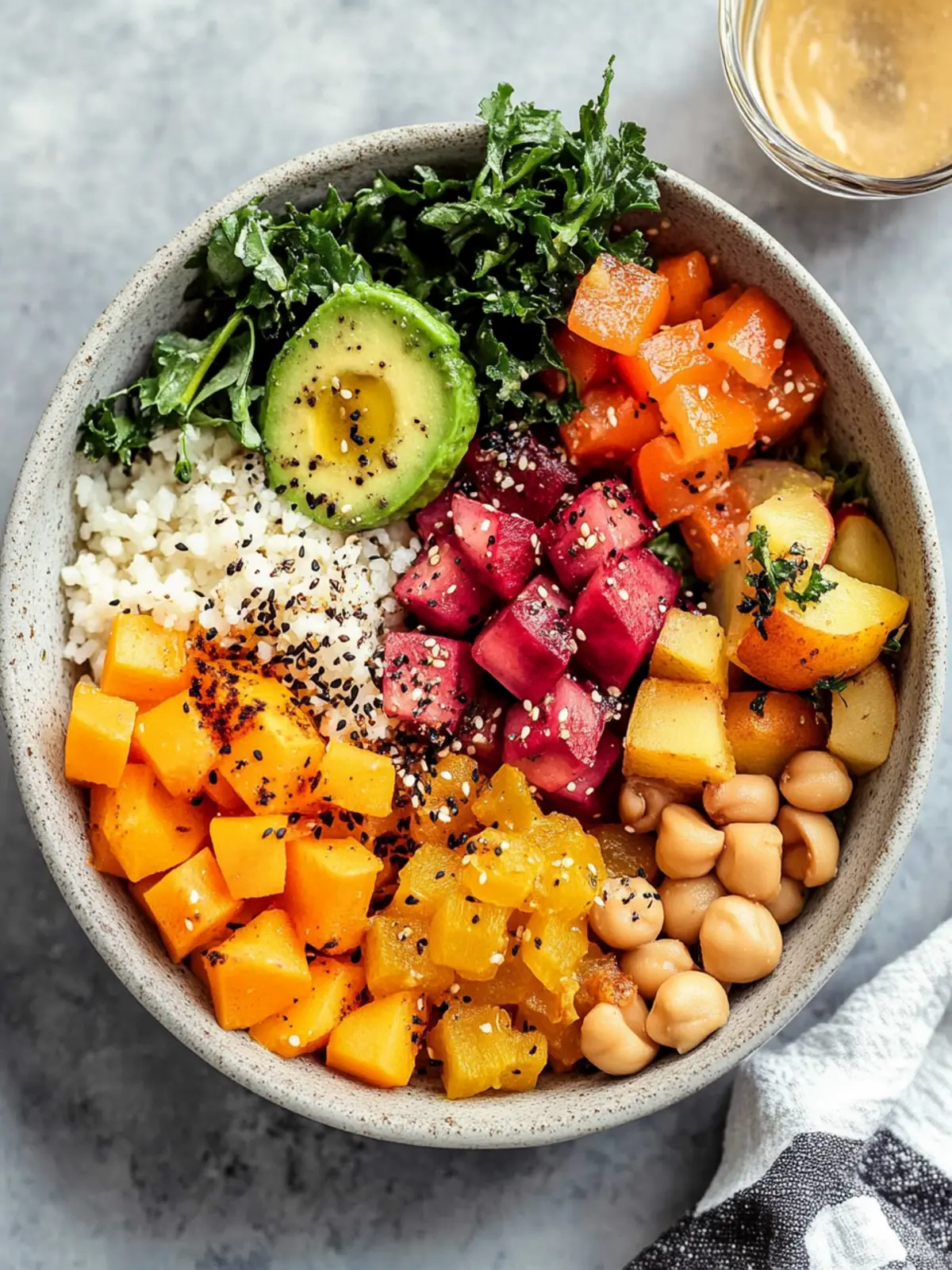
What to Serve with Ultimate Vegan Buddha Bowl with Turmeric Tahini Sauce?
Fill your table with delightful pairings that harmonize perfectly with a vibrant Buddha bowl and elevate your dining experience.
-
Crispy Chickpeas: Roasted chickpeas enhance the protein and add an extra crunch, complementing the soft textures in your bowl.
-
Quinoa Salad: A zesty quinoa salad with herbs and citrus brightens the meal and adds a refreshing element to contrast with the Buddha bowl.
-
Garlic Bread: Warm, crusty garlic bread brings a delightful aroma and buttery richness that balances the fresh flavors of the Buddha bowl.
-
Steamed Asparagus: Lightly steamed asparagus adds a tender crispness, offering a fresh and vibrant green that pairs beautifully with roasted veggies.
-
Miso Soup: A warm, savory miso soup presents umami depth that enriches the bowl’s flavor profile, comforting on any occasion.
-
Fruit Salad: A refreshing fruit salad provides natural sweetness and a pep of brightness, making it a lovely side to counterbalance the heartiness of the Buddha bowl.
-
Green Tea: Sip on a soothing cup of green tea to cleanse your palate, enhancing the meal’s overall healthful experience.
-
Chocolate Avocado Mousse: For dessert, indulge in a creamy chocolate mousse made with avocado, offering a rich finish that feels decadent yet aligns with your healthy theme.
How to Store and Freeze Buddha Bowl Recipe
- Fridge: Store individual components in airtight containers for up to 5 days to maintain freshness. This allows for easy assembly throughout the week.
- Freezer: You can freeze roasted sweet potatoes, cooked grains, and chickpeas for up to 3 months. Make sure they are cooled completely before transferring to freezer bags to prevent freezer burn.
- Reheating: To reheat, simply warm the desired components in the microwave or on the stovetop. Mix everything together and drizzle with fresh turmeric tahini sauce for the best flavor.
- Meal Prepping: Keep ingredients separate until ready to serve to ensure crisp textures, especially with kale and radishes. Assemble bowls just before enjoying for a delightful, fresh experience!
Expert Tips for the Best Buddha Bowl Recipe
- Uniform Cuts: Ensure your sweet potatoes are cut uniformly to guarantee even roasting; inconsistent sizes can lead to some pieces being undercooked.
- Massage Kale: Take a moment to massage the kale properly with lemon juice and salt to reduce its bitterness and enhance its flavor—aim to shrink its volume by half!
- Cool Before Storing: Allow all components to cool completely before storing them; this helps prevent sogginess during meal prep, keeping your Buddha bowl fresh.
- Experiment with Grains: Don’t hesitate to try different grains! Quinoa or farro can add unique textures and flavors, making each Buddha bowl recipe a new experience.
- Balance Your Ingredients: Aim for a balance of textures and flavors—crunchy, creamy, tangy, and sweet elements come together to create a well-rounded meal.
Buddha Bowl Recipe Variations
Feel free to get creative and make this vegan Buddha bowl your own with these delicious twists!
-
Grain Swap: Use quinoa, couscous, or farro instead of brown rice for a different texture and flavor profile.
-
Protein Boost: Substitute cooked chickpeas with black beans, lentils, or grilled tofu for a protein punch.
-
Flavorful Sauces: Drizzle on a spicy peanut sauce or a creamy avocado dressing for exciting flavor variations.
-
Leafy Greens: Switch out kale for spinach or arugula; both provide a fresh alternative that’s equally nutritious.
-
Crunchy Toppings: Top with roasted nuts or crispy chickpeas instead of seeds for an extra crunch and satisfying texture.
-
Heat It Up: Add diced jalapeños or a sprinkle of red pepper flakes for a spicy kick, bringing warmth and excitement.
-
Fermented Flair: Go for kimchi instead of sauerkraut for an additional tang and a flavor that’ll tantalize your taste buds.
-
Sweet Additions: Incorporate diced apples or pomegranate seeds to elevate your bowl with a touch of sweetness and a pop of color.
Make Ahead Options
These delicious Buddha bowls are perfect for busy home cooks who want to save time without sacrificing flavor! You can roast the sweet potatoes and prepare the turmeric tahini sauce up to 3 days in advance. Allow them to cool before refrigerating in airtight containers to maintain their quality. Additionally, you can chop the veggies like carrots and radishes and store them in the fridge for up to 24 hours. When you’re ready to serve, simply reheat the sweet potatoes and assemble the bowls by layering the prepped ingredients over cooked brown rice or quinoa, drizzling with the tangy sauce. Enjoy the convenience of having wholesome meals ready to go!
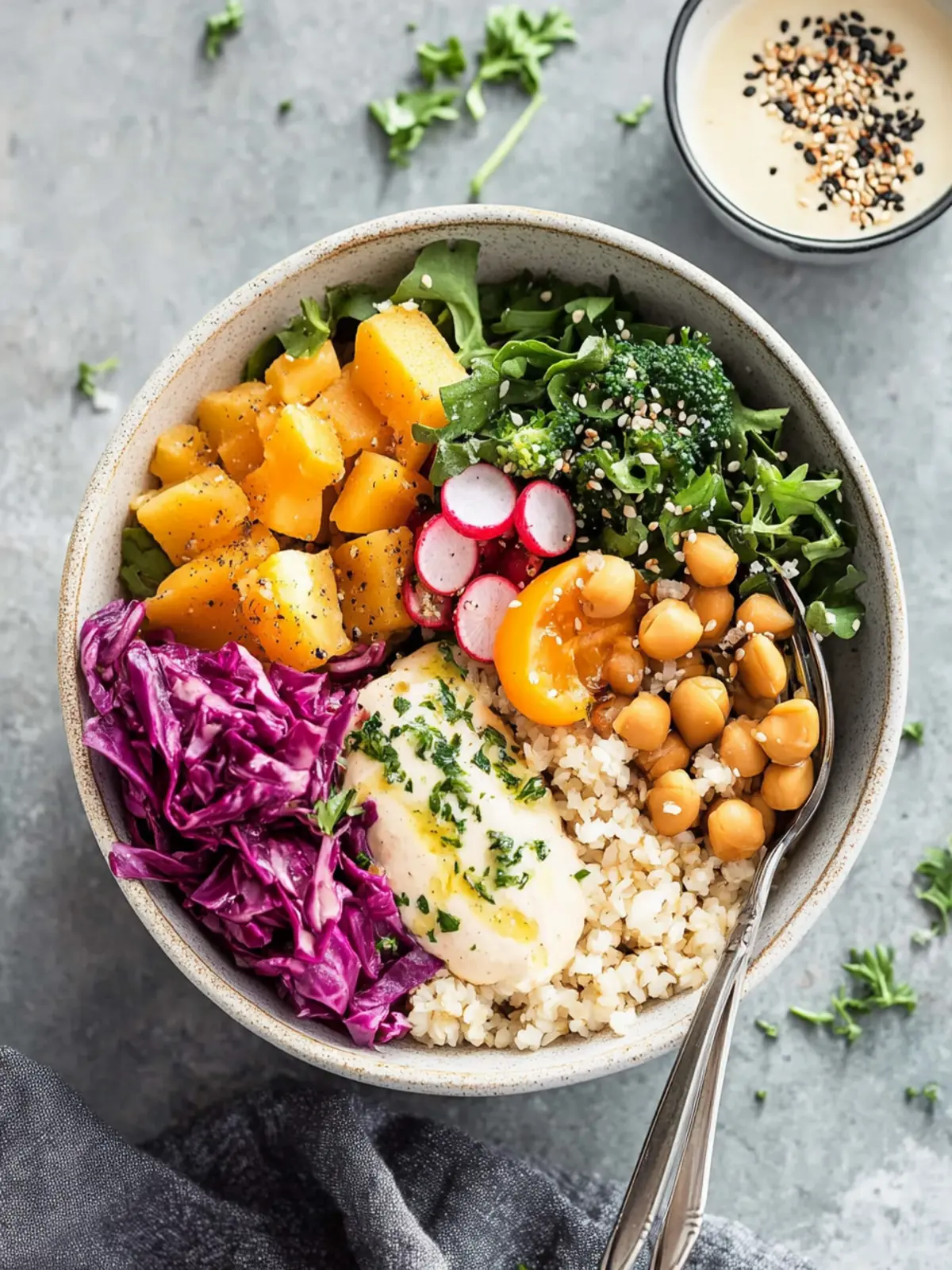
Buddha Bowl Recipe FAQs
What kind of sweet potato should I use for the Buddha bowl recipe?
Absolutely! A large sweet potato is ideal for this recipe as it provides a hearty base with natural sweetness. If you can’t find sweet potatoes, butternut squash or even parsnips can serve as excellent substitutes, adding their unique flavors to your bowl.
How long can I store the Buddha bowl ingredients in the fridge?
For the best quality, store individual components in separate airtight containers in the fridge for up to 5 days. This allows you to enjoy fresh, vibrant flavors throughout the week without compromising texture!
Can the components of the Buddha bowl be frozen?
Very! You can freeze roasted sweet potatoes, cooked grains (like brown rice or quinoa), and chickpeas for up to 3 months. Just be sure they’re completely cooled before placing them in freezer bags to avoid freezer burn. When you’re ready to enjoy, simply thaw overnight in the fridge and reheat.
What common issues might I encounter when making this Buddha bowl?
If your sweet potatoes aren’t roasting evenly, make sure they’re cut into uniform cubes; inconsistently sized pieces can lead to some being undercooked. Additionally, properly massaging your kale with lemon juice and salt helps to remove bitterness, enhancing flavor and texture.
Are there any dietary considerations I should keep in mind when preparing this recipe?
Definitely! This Buddha bowl recipe is vegan and gluten-free, making it suitable for many dietary preferences. However, if you have specific allergies or dietary concerns, check all packaged ingredients like tahini for potential allergens and feel free to substitute elements like legumes based on your needs.
Can pets safely eat any of the ingredients used in the Buddha bowl?
While many of the components, like sweet potatoes and carrots, are safe for dogs in moderation, avoid giving them components like onion or garlic in the turmeric tahini sauce. Always consult with your vet for dietary concerns specific to your furry friends!
Delicious Buddha Bowl Recipe Packed with Flavor and Nutrition
Equipment
- Oven
- Baking sheet
- Mixing bowl
Ingredients
For the Base
- 1 large sweet potato butternut squash can be a substitute
- 1 cup cooked brown rice or quinoa any preferred grain like farro or couscous can be used
For the Veggies
- 1 cup watermelon radish or red radishes regular radishes or sliced cucumbers can be used
- 2 medium carrots try peeling them into ribbons for a fun texture
- 1 cup shredded red cabbage green cabbage can be used instead
- 2 cups kale leaves massage with lemon juice for a softer bite
- 1 cup sauerkraut or other fermented veggie kimchi or pickled vegetables can be great alternatives
For the Protein
- 1 cup cooked chickpeas or lentils any other legume like black beans works well
For the Toppings
- 2 tablespoons sesame seeds or hemp seeds substitute with chopped nuts or pumpkin seeds if desired
- 1 cup microgreens optional, can also use chopped fresh herbs
For the Dressing
- 1/4 cup turmeric tahini sauce add spices or flavors like garlic or ginger
- 1 wedge lemon fresh lime can be a lovely alternative for zest
Instructions
Preparation
- Preheat the oven to 400°F (200°C) and line a baking sheet with parchment paper.
- Toss cubed sweet potatoes in extra-virgin olive oil, salt, and pepper, then roast for about 20 minutes.
- Slice radishes thinly and peel the carrots into ribbons. Toss with lemon juice.
- Massage the kale with a squeeze of lemon juice and a pinch of salt until it wilts down.
- Assemble bowls by layering cooked brown rice or quinoa, chickpeas, kale, carrots, radishes, cabbage, roasted sweet potatoes, sauerkraut, and sprinkle with seeds.
- Drizzle with the turmeric tahini sauce before serving.