

There’s something so comforting about a warm frittata fresh from the oven. As the eggs puff up and the vibrant colors of your chosen vegetables peek through, it’s like a warm hug on a plate. I first embraced frittatas during a Sunday brunch with friends, where the fragrance of garlic and sautéed veggies wafted through the air, signaling that something delicious was about to unfold. This easy vegetable frittata recipe became a go-to for me, perfect for lazy weekends or busy weeknight dinners.
With five mouthwatering variations to choose from, this dish is all about flexibility—it’s as much about what’s in your fridge as it is about your taste buds. Imagine the joy of creating a roasted red pepper and spinach frittata or a delightful caprese twist with fresh tomatoes and basil. Whether you’re treating guests or simply revamping your dinner routine, this frittata is bound to impress! Let’s dive into the recipe that’s about to become your new favorite.
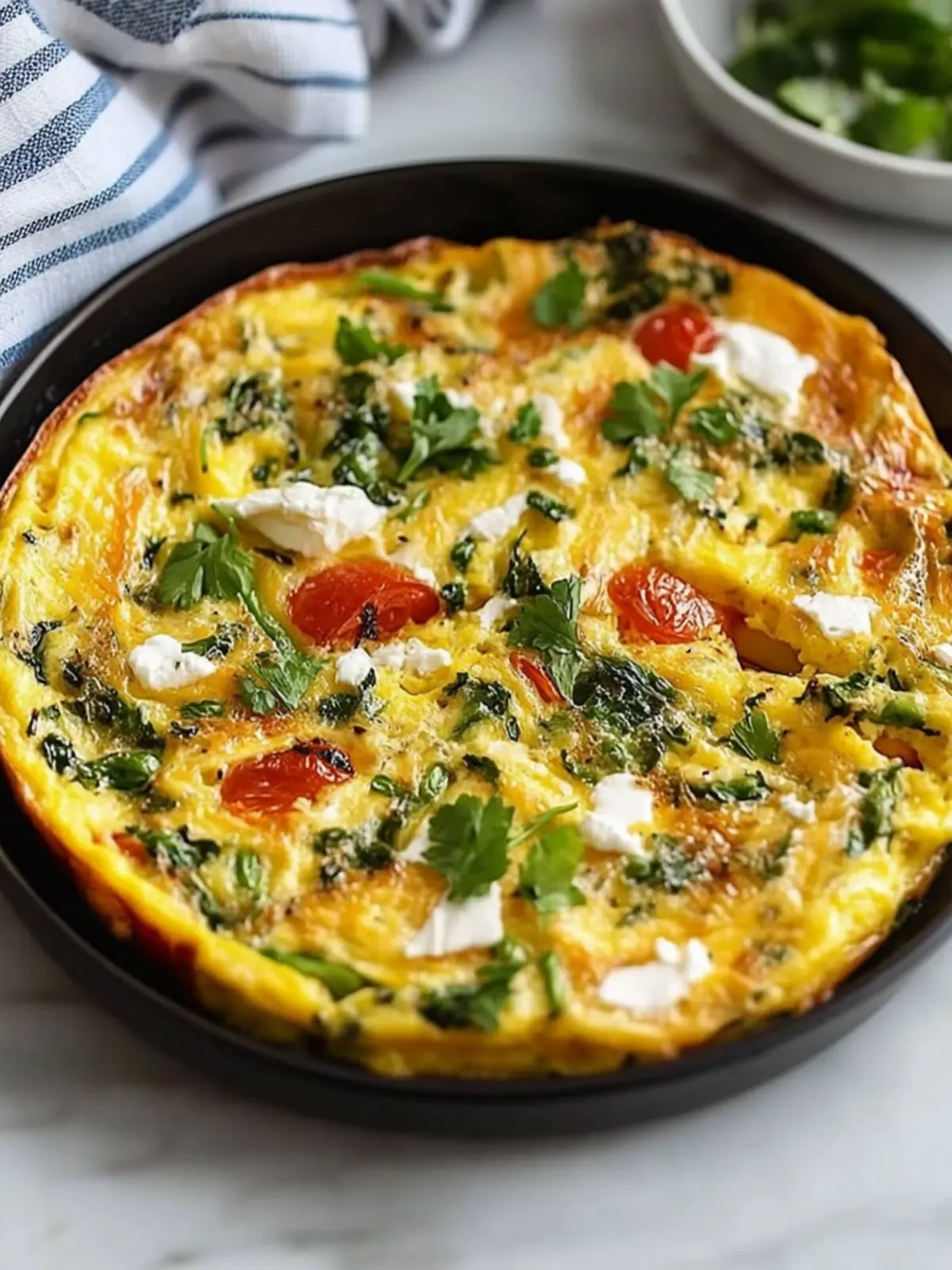
Why is frittata your new favorite dish?
Convenience at Its Finest: The frittata is a one-pan wonder perfect for any meal, effortlessly blending convenience and taste.
Flavor Explosion: With its vibrant mix of fresh vegetables and eggs, each bite bursts with savory goodness.
Endless Variations: You can easily customize this dish; from a zesty Caprese to a hearty mushroom mix, there’s a frittata for every palate.
Budget-Friendly: Utilizing whatever ingredients you have on hand, this recipe is a thrifty delight that helps reduce food waste.
Meal Prep Hero: Ready in under 30 minutes and lasts up to four days in the fridge, it’s ideal for busy schedules.
Whether cooking for yourself or entertaining, this frittata promises to be a crowd-pleaser. For more delicious ideas, check out our gluten-free recipes.
Frittata Ingredients
• The essential building blocks for your frittata delight.
For the Base
- Large Eggs – The primary source of protein and structure; use about 8 eggs for a substantial frittata.
- Unsweetened Almond Milk – Adds creaminess; you can substitute with any milk of your choice.
- Garlic Cloves – Infuses the dish with savory flavor; mincing allows for better aroma distribution.
- Sea Salt – Enhances all other flavors; sprinkle a bit more on top for added taste.
- Freshly Ground Black Pepper – Provides a spicy warmth and depth to the dish.
- Extra-Virgin Olive Oil – Perfect for sautéing vegetables and greasing the skillet for an easy release.
For the Broccoli Feta Variation
- Scallions – A mild, oniony flavor that brightens the frittata.
- Chopped Broccoli – Introducing a crunchy texture and a fresh, nutritious element.
- Smoked Paprika – Adds a warm, smoky flavor profile that enhances the overall taste.
- Feta Cheese – Imparts a tangy creaminess that pairs beautifully with the vegetables.
For the Roasted Red Pepper & Spinach Variation
- Shallot – Offers a touch of sweetness; finely chop for even flavor.
- Roasted Red Bell Peppers – Provides a sweet, charred flavor that contrasts wonderfully with spinach.
- Spinach – Full of nutrients, it wilts beautifully when cooked, adding both color and health benefits.
- Feta Cheese – Like in the previous variation, it brings creaminess and a salty kick.
For the Spring Veggie Variation
- Spring Onions – Milder than regular onions, these add a fresh brightness.
- Asparagus – Offers a crisp bite and earthy flavor, complementing the eggs.
- Frozen Peas – Easy to use; they add a pop of sweetness and color.
- Mini Mozzarella – Melts beautifully into the frittata, creating creamy pockets.
- Tarragon or Chives – They bring a lovely herbal note, reminiscent of spring.
For the Mixed Mushroom & Tarragon Variation
- Mixed Mushrooms – A variety of textures and flavors, such as shiitake and cremini, enhance earthiness.
- Tarragon – Adds a unique anise-like flavor that pairs well with mushrooms.
- Pecorino Cheese – A firm cheese that melts nicely and provides a salty finish.
For the Caprese Variation
- Cherry Tomatoes – Sweet and juicy, they burst with flavor when baked.
- Mozzarella – Creamy goodness that melts into the frittata for lovely bites.
- Fresh Basil – Adds a fragrant, herbal layer that elevates the dish to true Italian delight.
Don’t miss creating your very own frittata masterpiece with these essential ingredients!
How to Make a Frittata
-
Preheat the oven to 400°F (200°C). This ensures your frittata cooks evenly and achieves that lovely golden color you’re after.
-
Whisk together the eggs, almond milk, minced garlic, and salt in a large bowl until frothy and well combined. This mixture will form the base of your frittata.
-
Choose your vegetable variation! Heat the extra-virgin olive oil in your skillet over medium heat, then add the specific vegetables for your chosen variation. Sauté until they’re tender, about 5-7 minutes.
-
Pour the egg mixture into the skillet, gently shaking it to distribute evenly over the vegetables. Ensure everything is well mixed before it starts to set.
-
Sprinkle your favorite cheese on top—feta for the Broccoli Feta variation, mozzarella for Caprese, or pecorino for Mixed Mushroom & Tarragon. Then, transfer to the oven!
-
Bake for 15-20 minutes or until the frittata is slightly puffed, the edges are golden, and the center no longer jiggles. A toothpick inserted should come out clean.
-
Season to taste before slicing into wedges and serving. Enjoy your delicious frittata and take pleasure in the rich, savory flavors!
Optional: Try garnishing with fresh herbs for an extra vibrant touch.
Exact quantities are listed in the recipe card below.
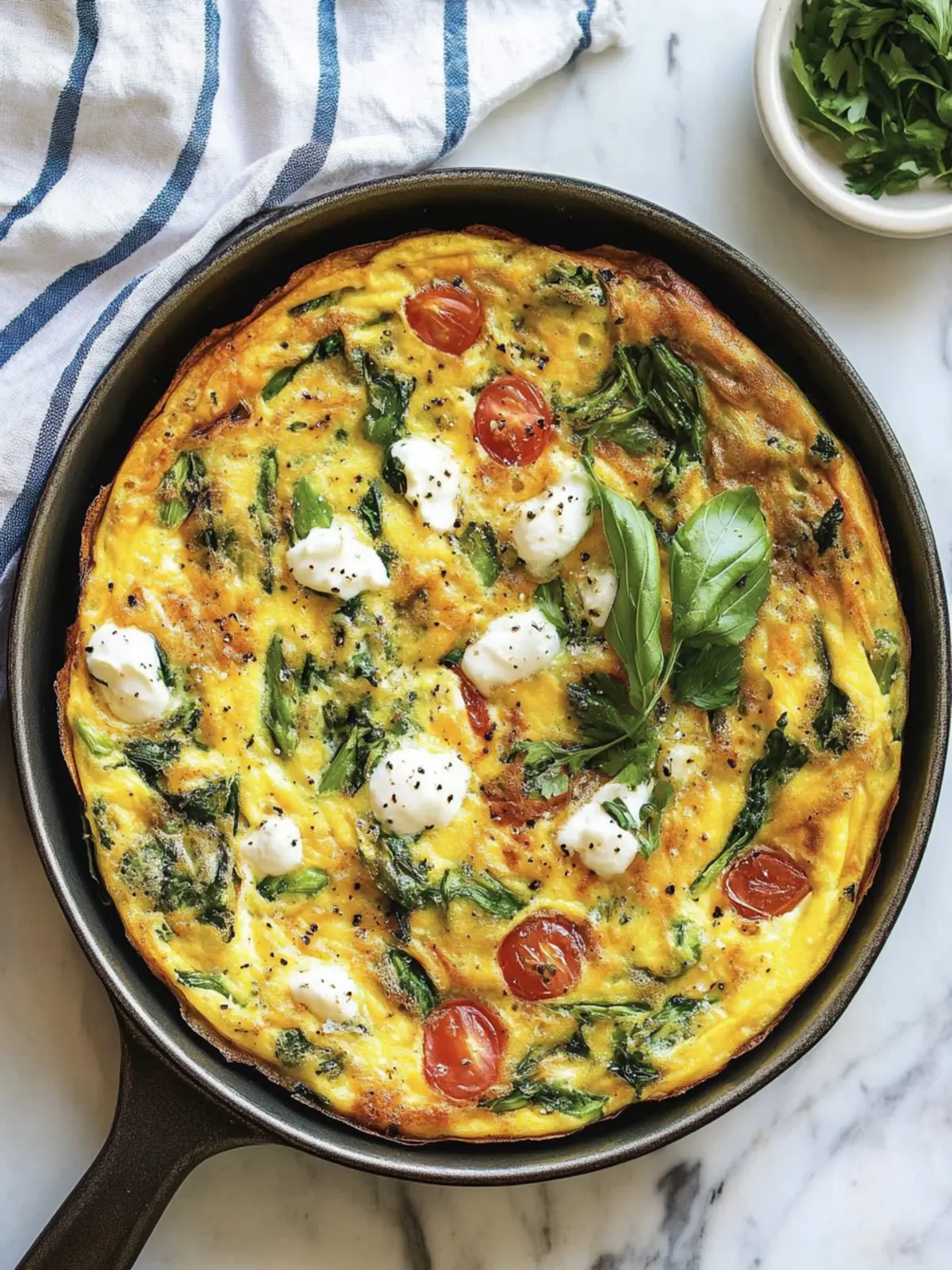
Expert Tips for the Best Frittata
-
Use the Right Pan: A cast-iron skillet is ideal for even cooking and browning, creating a beautiful finish on your frittata.
-
Pre-Cook Vegetables: Ensure your vegetables are bright and tender before adding them to the egg mixture for optimal flavor and texture.
-
Watch the Bake Time: Bake until the frittata is puffed and the center no longer jiggles; this ensures the eggs are fully set for a perfect slice.
-
Consider Individual Servings: For smaller portions, use a 6-inch skillet with 5 eggs to maintain thickness and enjoy personal-sized frittatas.
-
Have Fun with Fillings: Experiment with seasonal vegetables or favorite cheeses to customize your frittata and make it truly your own!
Storage Tips for Frittata
- Room Temperature: Frittatas should not be left at room temperature for more than 2 hours to avoid any food safety issues. Always refrigerate leftovers promptly.
- Fridge: Store frittata in an airtight container for up to 4 days. Reheat in the oven or on the stovetop for a quick meal.
- Freezer: You can freeze frittata for up to 3 months. Cut into slices, wrap tightly in plastic wrap, and store in a freezer-safe container.
- Reheating: Thaw overnight in the fridge before reheating. Warm in a preheated oven at 350°F (175°C) for about 10-15 minutes, until heated through.
What to Serve with Easy Vegetable Frittata?
Complement your vibrant frittata with sides that enhance its rich flavors while creating a heartwarming meal experience.
- Mixed Green Salad: A light and refreshing salad brightens your plate, balancing the frittata’s savory richness with a crisp texture. Toss arugula or baby spinach with a tangy vinaigrette for a perfect pairing.
- Crusty Bread: Serve with a slice of warm, crusty bread to soak up any delicious eggy goodness. The contrast of the soft inside and crunchy crust adds inviting texture to your meal.
- Roasted Potatoes: Crispy, herb-infused roasted potatoes provide a delightful crunch, making them the perfect complement, especially for brunch gatherings. Their heartiness pairs beautifully with the fluffiness of the frittata.
- Fresh Fruit Platter: A colorful array of seasonal fruits adds a sweet touch that contrasts nicely with savory flavors. The natural sweetness refreshes your palate between bites.
- Sparkling Water with Lime: Stay hydrated and elevate your meal with sparkling water garnished with lime. It mimics the lightness of a brunch cocktail without the alcohol, perfect for any time of day.
- Yogurt Parfait: A layer of creamy yogurt topped with granola and berries creates a delightful dessert or side dish. The creaminess and crunch balance the innovation of the frittata in a deliciously light way.
Make Ahead Options
These frittatas are absolutely perfect for meal prep enthusiasts! You can chop your vegetables and whisk the egg mixture up to 24 hours in advance, storing them separately in airtight containers to keep everything fresh. When you’re ready to serve, simply sauté the prepped vegetables in a skillet and pour in the egg mixture, allowing it to cook until lightly set before transferring it to the oven. This way, you can enjoy a flavorful frittata with minimal effort on busy weekdays. For optimal quality, refrigerate your prepping components, and remember to bake the frittata fresh for that light and fluffy texture. Enjoy this time-saving kitchen hero without sacrificing taste!
Frittata Variations
Explore the endless possibilities of your frittata with these delightful twists that will brighten your dining experience!
-
Gluten-Free: Use gluten-free milk alternatives and enjoy a delicious, diet-friendly dish without compromise.
-
Herb-Infused: Add fresh herbs like thyme, dill, or chives to elevate the flavor and enhance the dish’s aroma.
-
Cheese Swaps: Try goat cheese or sharp cheddar for a different taste—and both melt beautifully, offering delightful creaminess.
-
Spicy Kick: Incorporate sliced jalapeños or a dash of hot sauce for an exciting heat that contrasts with the frittata’s fluffy texture.
-
Meaty Delight: Mix in cooked bacon or sausage for a protein-packed version that adds heartiness and savory depth.
-
Roasted Veggies: Use leftover roasted vegetables for added flavor and a slightly caramelized sweetness that will take your frittata to the next level.
-
Plant-Based: Substitute eggs with a chickpea flour mix for a vegan version; blend with water and spices for a nutritious, cruelty-free meal.
-
Sweet Potato Crust: For a unique twist, create a crust using thinly sliced sweet potatoes — a cozy base that adds texture and flavor.
Unleash your creativity and make this flexible dish your own with these simple substitutions and variations!
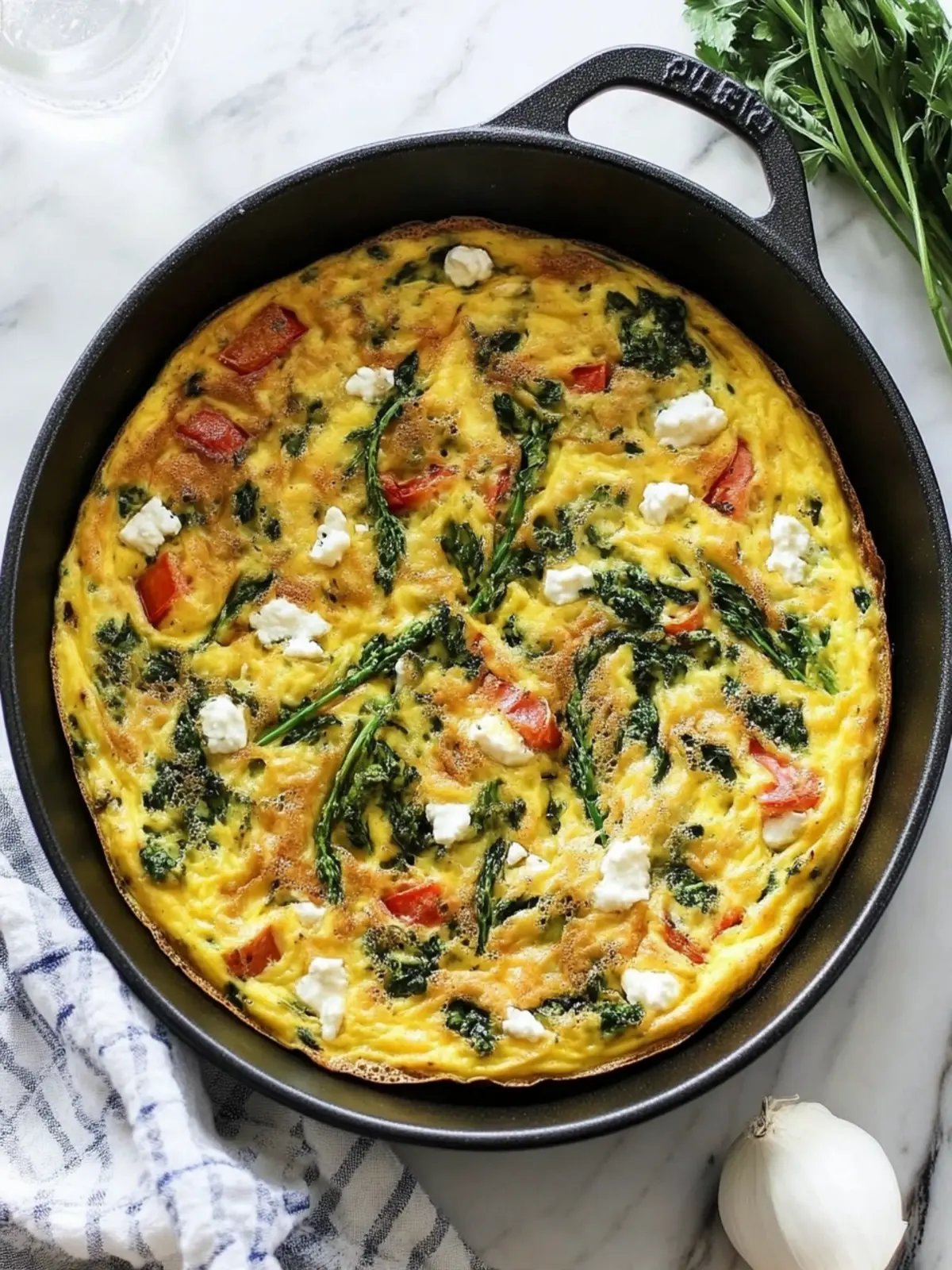
Frittata Recipe FAQs
What type of eggs should I use for frittata?
Absolutely! I recommend using large eggs for the best structure and protein content. Eight large eggs work perfectly for a substantial frittata, especially in a larger 12-inch skillet. They create that fluffy texture you crave!
How do I store leftover frittata?
Very simple! Store your leftover frittata in an airtight container in the refrigerator for up to 4 days. Just make sure to allow it to cool completely at room temperature (no longer than 2 hours) before sealing it up. It’s always a good idea to label the container with the date, just to keep track!
Can I freeze frittata, and how?
Yes, you can! To freeze frittata, I suggest cutting it into individual slices first. Wrap each slice tightly in plastic wrap, then place them in a freezer-safe container. These will keep well for up to 3 months. When you’re ready to enjoy, simply thaw overnight in the fridge, then reheat in a preheated oven at 350°F (175°C) for about 10-15 minutes.
What should I do if my frittata isn’t set in the center?
No worries! If your frittata isn’t set in the center after baking, it may need more time in the oven. Try putting it back for an additional 5 minutes and checking with a toothpick—if it comes out clean, it’s ready! If not, let it bake a bit longer. Just keep an eye on those edges; they shouldn’t brown too much.
Are frittatas suitable for gluten-free diets?
Absolutely! Traditional frittatas are naturally gluten-free since they mainly consist of eggs and vegetables. Just be mindful of any additional ingredients you may include, such as cheese or specific toppings. Always check for gluten-free labels if you have severe allergies.
How ripe should vegetables be for frittata?
It’s best to use fresh vegetables for your frittata! Look for vibrant, firm options that are free from dark spots or wilting. If you’re using seasonal vegetables, make sure they’re ripe and tender, as this will enhance the overall flavor and texture of your dish. Ideally, your vegetables should be sautéed until they’re bright and tender before adding the egg mixture for that perfect finish!
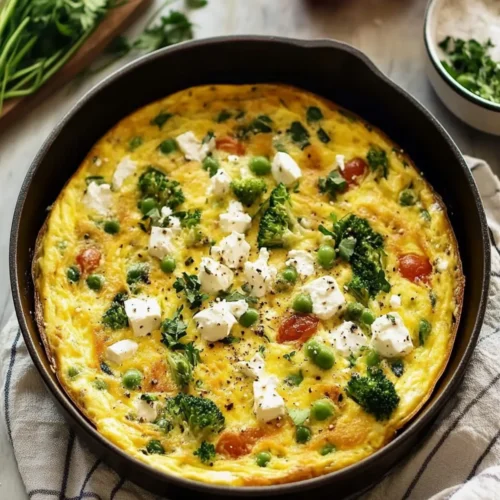
Savory Frittata: 5 Fun Variations You’ll Crave Daily
Equipment
- cast iron skillet
Ingredients
For the Base
- 8 large eggs
- 0.5 cup unsweetened almond milk or any milk of your choice
- 2 cloves garlic minced
- 1 teaspoon sea salt plus more for sprinkling
- 1 teaspoon freshly ground black pepper
- 2 tablespoons extra-virgin olive oil for sautéing
For the Broccoli Feta Variation
- 1 cup chopped broccoli
- 1 teaspoon smoked paprika
- 0.5 cup feta cheese crumbled
For the Roasted Red Pepper & Spinach Variation
- 1 cup roasted red bell peppers chopped
- 2 cups spinach fresh
- 0.5 cup feta cheese crumbled
For the Spring Veggie Variation
- 1 cup asparagus cut into pieces
- 1 cup frozen peas thawed
- 0.5 cup mini mozzarella halved
- 1 tablespoon tarragon or chives chopped
For the Mixed Mushroom & Tarragon Variation
- 2 cups mixed mushrooms sliced
- 1 tablespoon tarragon chopped
- 0.5 cup pecorino cheese grated
For the Caprese Variation
- 1 cup cherry tomatoes halved
- 0.5 cup mozzarella shredded
- 0.25 cup fresh basil chopped
Instructions
How to Make a Frittata
- Preheat the oven to 400°F (200°C).
- Whisk together the eggs, almond milk, minced garlic, and salt in a large bowl until frothy and well combined.
- Choose your vegetable variation! Heat the extra-virgin olive oil in your skillet over medium heat, then add the specific vegetables for your chosen variation. Sauté until they’re tender, about 5-7 minutes.
- Pour the egg mixture into the skillet, gently shaking it to distribute evenly over the vegetables.
- Sprinkle your favorite cheese on top, then transfer to the oven!
- Bake for 15-20 minutes or until the frittata is slightly puffed, the edges are golden, and the center no longer jiggles.
- Season to taste before slicing into wedges and serving.