

When the aroma of dough rising fills your kitchen, it instantly transforms the space into a cozy gathering place. My journey with sourdough has been nothing short of a delightful adventure, especially discovering the magic of using unfed starter in my Sourdough Discard Pizza Crust. This recipe beautifully balances a chewy texture with a crispy bottom, creating a canvas for all your favorite toppings. The best part? It’s a fantastic way to repurpose what might typically be waste, resulting in a homemade pizza experience that’s not just delicious but also satisfying.
After a long day, the thought of skimping on dinner is all too tempting, but this easy-to-prepare crust allows you to indulge in quality homemade food without the hassle. Plus, whether you’re in the mood for classic margherita or a fun topping combination, this adaptable recipe meets all cravings while minimizing ingredient fuss. Get ready to unleash your creativity in the kitchen and enjoy an artisanal pizza that tastes far more sophisticated than the time it takes to make!

Why is sourdough pizza dough so special?
Unique Flavor: Harnessing the benefits of unfed sourdough starter infuses your crust with a delightful tang that’s hard to replicate.
Minimal Ingredients: With just a handful of pantry staples, you can whip up this scrumptious dough, perfect for quick dinners.
Chewy Texture: The result is a crust that’s satisfyingly chewy yet crispy, elevating your pizza night to gourmet.
Waste Reduction: This recipe promotes sustainability by making use of sourdough discard that would often be thrown away.
Versatile Toppings: Customize your pizza with limitless toppings, from fresh veggies to artisanal cheeses, to suit your palate.
Crowd-Pleaser: Whether you’re hosting friends or family, this delicious homemade pizza will impress everyone and leave them asking for seconds!
Sourdough Pizza Dough Ingredients
For the Dough
• Sourdough Starter – 1 cup (227g) unfed/discard; adds a depth of flavor and natural fermentation to your sourdough pizza dough.
• Water – 1/2 cup plus 2 tablespoons to 3/4 cup (141g to 170g) lukewarm; adjust based on flour absorption for the perfect dough consistency.
• All-Purpose Flour – 2 1/2 cups (300g), King Arthur Unbleached; provides structure and chewiness; can be swapped with a gluten-free blend if necessary.
• Table Salt – 1 teaspoon; enhances flavor and controls yeast activity, so don’t skip it!
• Instant Yeast – 1/2 teaspoon (optional); gives the crust a helpful boost for an airy texture.
• Pizza Dough Flavor – 4 teaspoons (optional); adds a touch of complexity to the dough if you want an extra flavor kick.
Note: The beauty of this recipe lies in its simplicity, making it a perfect fit for any pizza lover’s kitchen. Enjoy your sourdough pizza dough adventure!
How to Make Sourdough Pizza Dough
-
Mix Starter: Start by giving your unfed sourdough starter a little stir to incorporate any liquid on top. Measure 1 cup into a mixing bowl. This will add tangy flavor to your dough!
-
Dough Preparation: Combine the starter with salt, instant yeast (if you’re using it), and half of the lukewarm water. Gradually mix in the flour until they become best friends!
-
Knead Dough: Pour out the dough onto a lightly floured surface and knead for about 7 minutes. You’re aiming for a smooth consistency that clears the sides of the bowl—add more water if needed.
-
First Rise: Transfer your kneaded dough into a greased container. Cover it with a clean towel and let it rise until nearly doubled in size, which generally takes about 2-4 hours. Patience is rewarded with a delightful crust!
-
Form Pizzas: Now it’s time to divide your dough. Shape it for two thin-crust pizzas or one thick-crust pizza. Place the shaped dough in oiled pans and allow it to rest and rise further.
-
Preheat Oven: Just when your dough is doubling in size, preheat your oven to 450°F (232°C). This helps achieve that perfect crispy finish!
-
Bake: Thin crusts will need just 5 minutes in the oven before adding cheese; thicker ones should bake for 10 minutes. Bake until golden brown with melted cheese—around 5-7 minutes for thin crusts, longer for thick.
Optional: Top with fresh basil after baking for a burst of color and flavor.
Exact quantities are listed in the recipe card below.
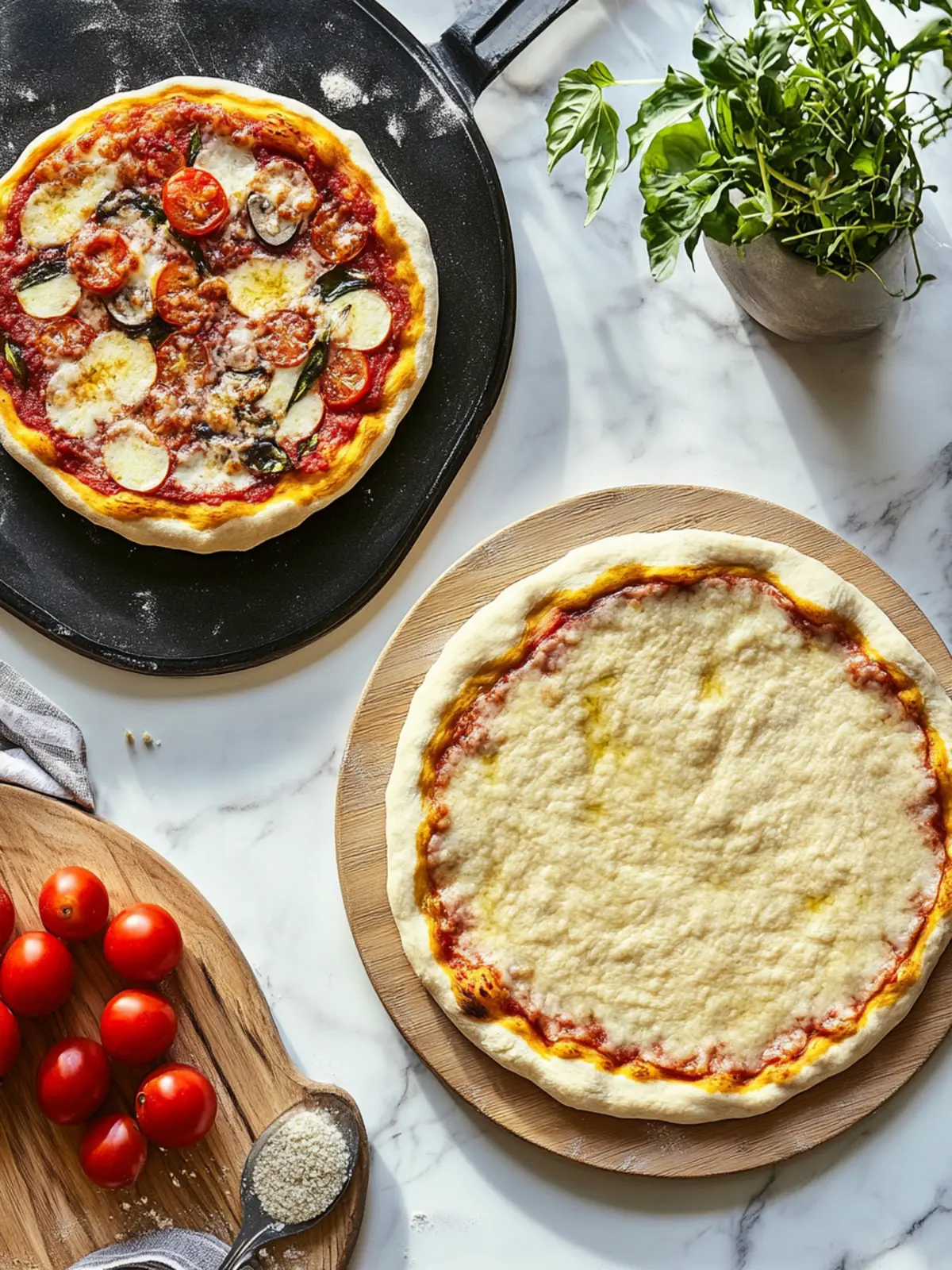
What to Serve with Sourdough Discard Pizza Crust?
Imagine a pizza night where every bite is a delightful surprise, perfectly complemented by vibrant sides and drinks.
- Classic Caesar Salad: The crisp romaine and tangy dressing enhance the savory notes of your pizza, making for a refreshing balance.
- Garlicky Green Beans: Tender green beans sautéed with garlic bring a touch of brightness that contrasts beautifully with the hearty crust.
- Marinated Olives: A small bowl of briny olives adds a delightful Mediterranean flair that resonates with the flavors of your sourdough pizza.
- Roasted Vegetables: Caramelized and slightly smoky, they offer a substantial, nutritious side that pairs well with any bold pizza topping.
- Pesto Dipping Sauce: A spoonful of zesty basil pesto can elevate your pizza’s flavor, inviting a burst of freshness with each slice.
Enhance the experience further by serving with a crisp white wine. A light Sauvignon Blanc can cut through the richness of the cheese, balancing flavors elegantly. For dessert, consider a slice of lemon sorbet to cleanse the palate, leaving everyone with a refreshing finish to the meal.
Make Ahead Options
These Sourdough Discard Pizza Crusts are perfect for busy weeknights, allowing you to prep in advance and still enjoy a homemade pizza experience. You can prepare the dough and refrigerate it for up to 24 hours before serving; simply cover it tightly to maintain its texture. If you’re in a rush, feel free to shape the crusts and freeze them for up to 3 months—just make sure to separate each crust with parchment paper to prevent sticking! When you’re ready to bake, allow the crusts to thaw in the refrigerator overnight, and proceed with the baking instructions as usual for a fresh and crispy crust, just as delicious as if made that day.
Expert Tips for Sourdough Pizza Dough
Taste Balance: Use a fresher sourdough starter to achieve a milder flavor, especially if you prefer less sourness in your crust.
Dough Consistency: Adjust water based on the flour used; not all flours absorb moisture the same way. Start with less and gradually add!
Resting Time: If the dough snaps back while shaping, let it rest for 10-15 minutes. This relaxes the gluten, making it easier to mold.
Crispier Crust: For an extra crispy texture, avoid adding cheese until the pizza is half-baked to allow the crust to firm up nicely.
Storage Tips: Wrap leftover dough tightly in plastic wrap and store in the fridge for up to 5 days. Reheat to restore its chewy, crispy goodness!
Creative Toppings: Don’t hesitate to mix fresh herbs or spices directly into the sourdough pizza dough for extra flavor and uniqueness.
Sourdough Pizza Dough Variations
Feel free to get creative and customize your sourdough pizza dough with these delightful twists for an unforgettable meal!
- Gluten-Free: Substitute all-purpose flour with a gluten-free blend for a delicious alternative that everyone can enjoy.
- Herb-Infused: Mix in dried herbs like oregano or basil for a fragrant twist throughout the dough. It adds a delightful aroma and flavor to every bite!
- Extra Chewy: Incorporate 1 tablespoon of vital wheat gluten when using all-purpose flour to enhance the chewiness of your crust. It’s a game-changer!
- Spicy Kick: Add a teaspoon of red pepper flakes to the dough for a subtle heat that complements rich toppings beautifully. Your taste buds are in for a treat!
- Whole Grain: Use whole wheat flour instead of all-purpose flour for added fiber and a robust flavor. It’s a nutritious upgrade!
- Smoky Flavor: Mix in a teaspoon of smoked paprika for a subtle smoky undertone that brings depth to your pizza dough. It pairs perfectly with barbecue toppings!
- Cheese Enhancer: Fold in grated parmesan or cheddar cheese into the dough for a savory boost with every crusty piece. Who can resist cheesy goodness?
- Sweet Twist: If you’re in the mood for something different, add a tablespoon of honey or maple syrup to the dough for a lightly sweet crust base that works wonderfully with fruity toppings.
Let these variations inspire you to create the perfect pizza base for your next family gathering or cozy night in!
Storage Tips for Sourdough Pizza Dough
Room Temperature: Allow shaped dough to rest at room temperature for about 1-2 hours before baking, ensuring it rises adequately for a perfect crust.
Fridge: Wrap leftover uncooked sourdough pizza dough tightly in plastic wrap and refrigerate for up to 5 days. Bring to room temperature before use for best results.
Freezer: For longer storage, freeze the tightly wrapped uncooked dough for up to 3 months. Thaw overnight in the fridge before using.
Reheating: If you have leftover baked pizza, store it in the fridge for up to 3 days. Reheat in a preheated oven at 375°F (190°C) for about 10 minutes to restore crispness.
Sourdough Discard Pizza Crust Recipe FAQs
How should I choose my sourdough starter?
Absolutely! For the best results, use unfed sourdough starter that’s at least a week old. A starter that has been recently fed will give your crust a milder flavor, while an older starter can create a tangy taste profile that elevates your pizza experience. Make sure there are no dark spots or off-putting odors; it should smell pleasantly sour.
What’s the best way to store leftover uncooked dough?
You can wrap the leftover uncooked sourdough pizza dough tightly in plastic wrap and refrigerate it for up to 5 days. For optimal results, bring the dough to room temperature before using. This way, it can rise properly when you’re ready to bake your pizzas.
Can I freeze the sourdough pizza dough?
Yes! To freeze, wrap the uncooked dough tightly in plastic wrap and then place it in an airtight container or freezer bag, squeezing out excess air. It can be stored this way for up to 3 months. When ready to use, thaw it overnight in the fridge, then let it sit at room temperature for a bit before shaping.
What should I do if my dough isn’t rising properly?
If your dough isn’t rising, it may be due to a few factors. Ensure your sourdough starter is active and bubbly. If the dough feels too cold, try moving it to a warmer spot in your kitchen or extending the rising time. You could also add a bit more instant yeast if the dough seems sluggish; sometimes, a touch of fermentation boost is all it needs.
Are there any dietary considerations I should keep in mind?
Very! This sourdough pizza dough can be gluten-free by using a suitable gluten-free flour blend, making it accessible for those with gluten sensitivities. However, always check packaging for cross-contamination if you’re cooking for someone with serious allergies. As a reminder, always keep pets away from baked goods that contain ingredients like garlic or certain cheeses that are toxic to them.
How can I ensure my crust is crispy?
To achieve that perfect crispy texture, consider these steps: First, avoid adding cheese until the crust has baked for at least 5 minutes. This will allow the crust to firm up. Additionally, make sure your oven is fully preheated to 450°F (232°C) and use a pizza stone if possible, as it retains heat better and promotes a crispier base.
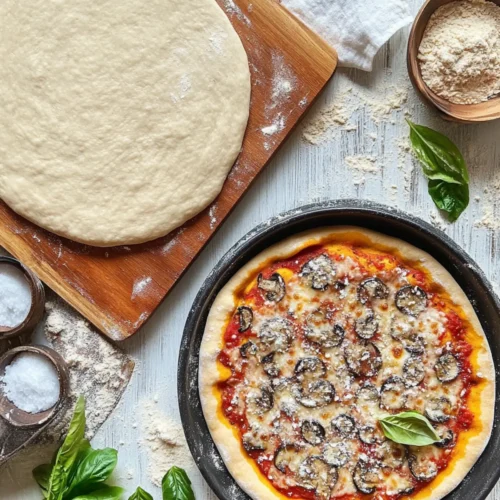
Sourdough Pizza Dough: Chewy Crust Made Easy at Home
Equipment
- Mixing bowl
- Greased container
- Floured surface
- Oven
- - Baking pan
Ingredients
For the Dough
- 1 cup sourdough starter unfed/discard
- 1/2 cup water lukewarm; adjust based on flour absorption
- 2 1/2 cups all-purpose flour King Arthur Unbleached
- 1 teaspoon table salt
- 1/2 teaspoon instant yeast optional
- 4 teaspoons pizza dough flavor optional
Instructions
How to Make Sourdough Pizza Dough
- Start by giving your unfed sourdough starter a little stir to incorporate any liquid on top. Measure 1 cup into a mixing bowl.
- Combine the starter with salt, instant yeast (if you're using it), and half of the lukewarm water. Gradually mix in the flour until they become best friends!
- Pour out the dough onto a lightly floured surface and knead for about 7 minutes until smooth.
- Transfer your kneaded dough into a greased container. Cover it with a clean towel and let it rise until nearly doubled in size, about 2-4 hours.
- Divide your dough and shape it for two thin-crust pizzas or one thick-crust pizza. Rest and rise further.
- Preheat your oven to 450°F (232°C).
- Thin crusts will need just 5 minutes in the oven before adding cheese; bake until golden brown.