

As the Easter season approaches, I find myself reminiscing about the delightful smells that filled my childhood kitchen during celebrations. The aroma of baked goods often danced through the air, but nothing brought me more joy than the sight of my grandmother preparing her iconic Italian Easter Pie, or Pizzagiana. This savory marvel, a mix of savory meats and creamy cheeses encased in a flaky crust, was more than just a dish; it was a family tradition that brought us all around the table, ready to savor each slice together.
This pie, a hearty alternative to quiche, is not only a feast for the senses but also a versatile dish that can cater to various palates. With its rustic charm and robust flavors, this Italian Easter Pie is destined to become the centerpiece of your holiday brunch. So, let’s roll up our sleeves and dive into a recipe that promises not just satisfaction, but also a sprinkle of nostalgia as we create a dish that may just become a new family favorite during your celebrations.

Why is Easter Pie a Must-Try?
Comforting Tradition: This Easter Pie is a beloved family recipe, steeped in Italian heritage, making it a perfect addition to your holiday table.
Flavor Explosion: A delightful mix of meats and cheeses creates a savory filling that’s sure to please even the pickiest eaters.
Hearty Option: Unlike typical quiches, this version is rich and filling, perfect for satisfying appetites and inviting conversation around the table.
Versatile Delight: Feel free to experiment with different meats or cheeses to suit your family’s tastes—everyone can make it their own.
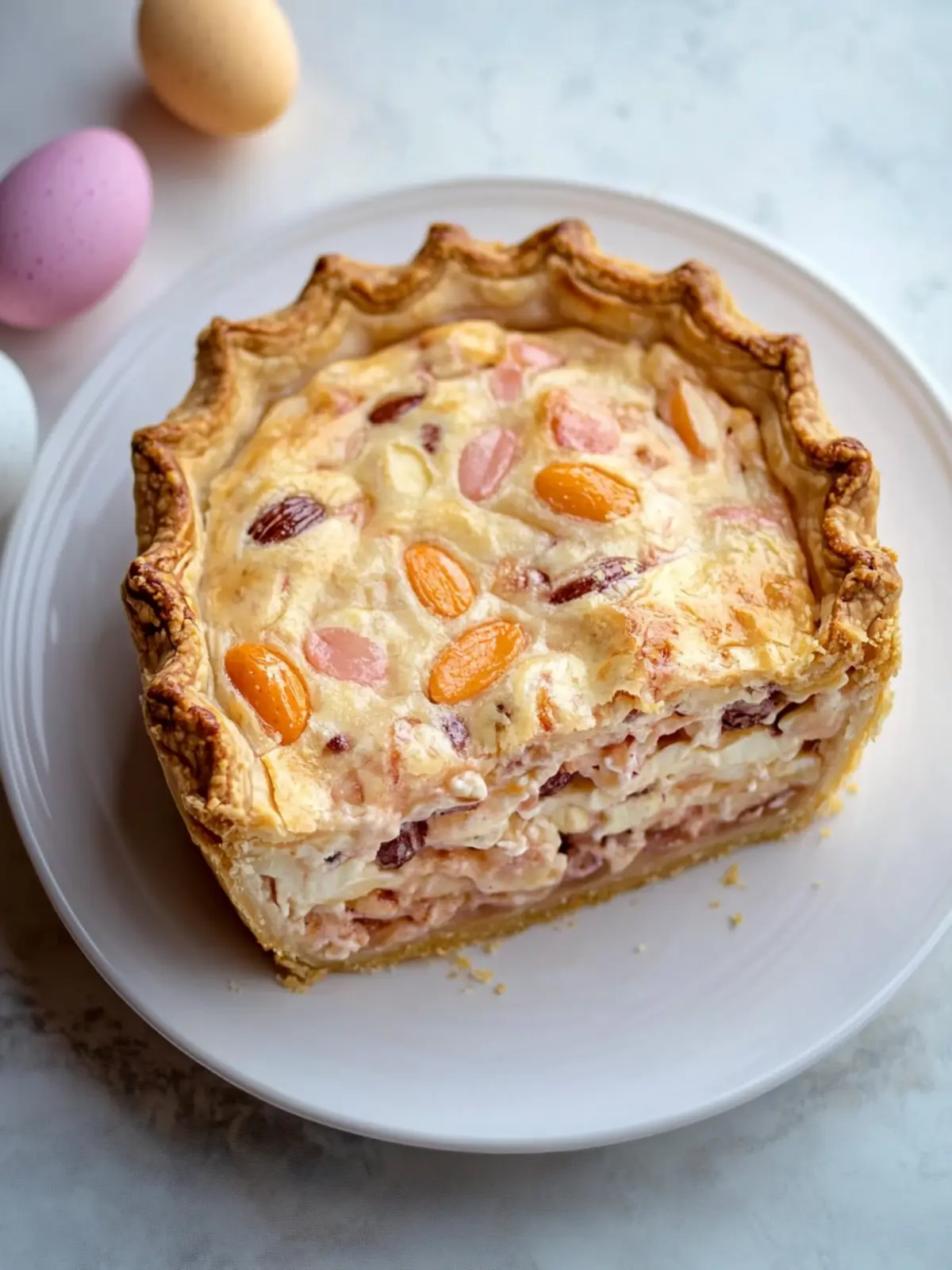
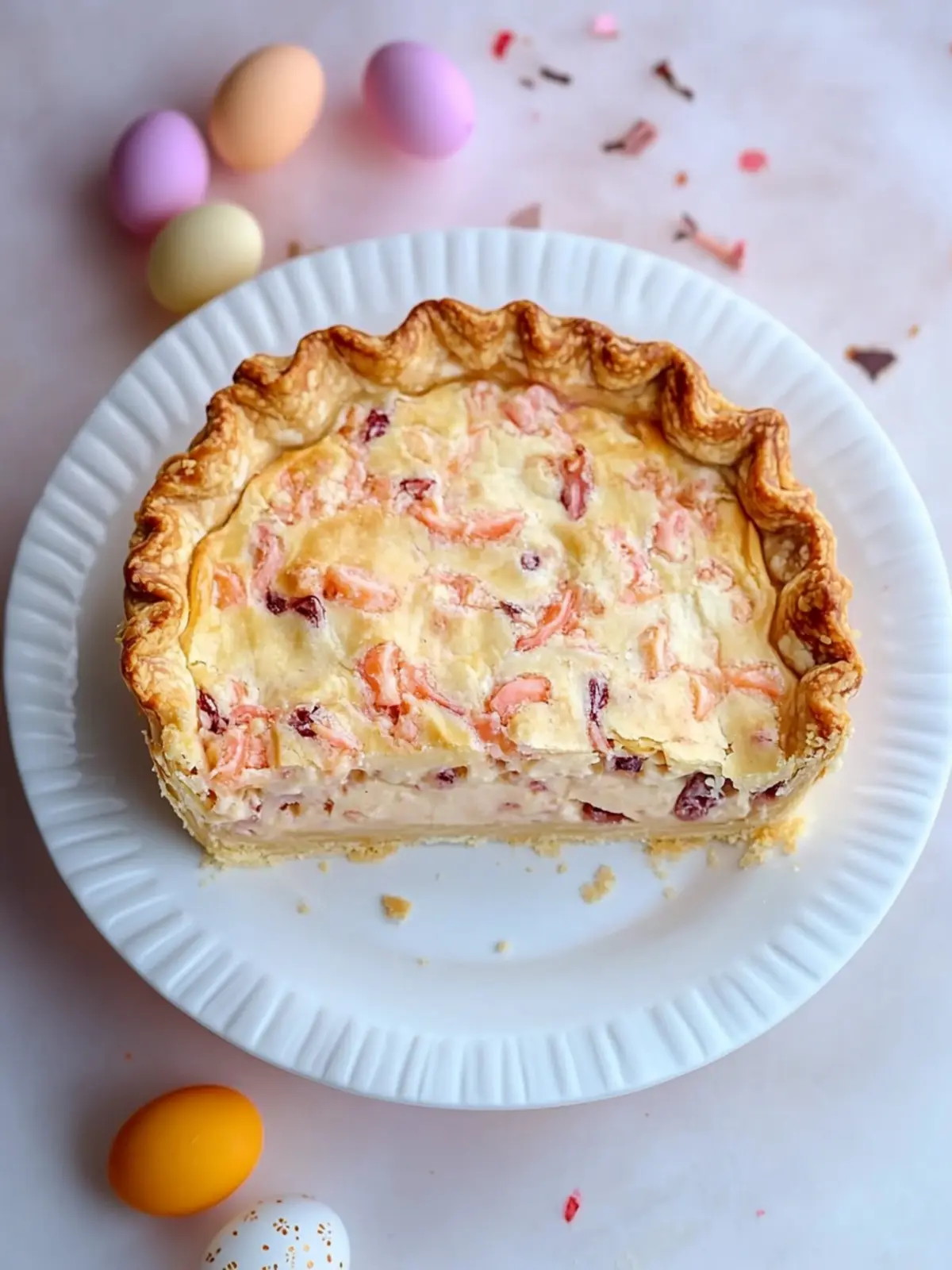
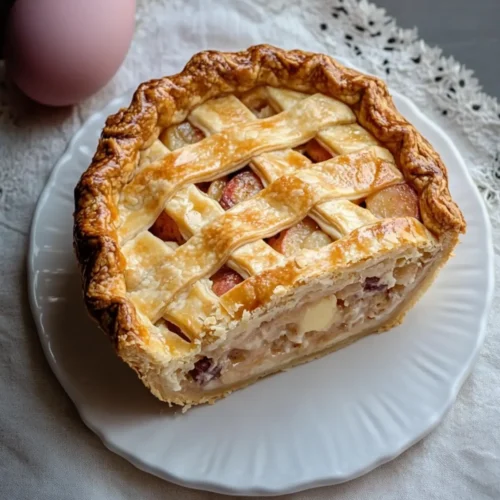
Impressive Presentation: Its golden, flaky crust will wow your guests, making for a beautiful centerpiece that’s as tasty as it looks.
Get inspired to customize your own version, and check out our variation ideas for some exciting alternatives!
Easter Pie Ingredients
For the Crust
• Flour – Provides structure for the crust; all-purpose flour is best.
• Lard or Butter – Adds richness and flakiness; use butter for a familiar flavor.
• Salt – Enhances flavor in both crust and filling.
• Black Pepper – Adds a mild heat; adjust quantity to your taste.
• Active Dry Yeast – Helps the dough rise for a light, airy texture; ensure it’s fresh.
• Warm Water – Activates the yeast; it should be warm, not boiling.
For the Filling
• Mild Italian Sausage – Adds savory depth; consider ground turkey for a lighter option.
• Prosciutto di Parma – Provides a rich, salty flavor that elevates the dish.
• Pepperoni – Brings a classic, spicy touch to the mix.
• Genoa Salami – Contributes a unique flavor profile to the filling.
• Regular Boiled Deli Ham – A mild meat component to balance the flavors.
• Capicola – Layered in the crust to keep the pie flavorful and moist.
• Whole Milk Ricotta Cheese – Creates a creamy filling that binds all ingredients.
• Mozzarella Cheese – Adds gooey texture and mild flavor; dice for even distribution.
• Eggs – Binds the filling together and enriches the flavor.
• Parmesan & Romano Cheese – Adds sharpness and depth, making the filling sing.
For the Finish
• Egg Wash (1 egg + 1 tbsp water) – Gives the crust a beautiful, glossy finish before baking.
Get ready to create this sumptuous Easter Pie that’s sure to become a cherished tradition in your home!
How to Make Easter Pie
-
Prepare the Dough: Combine warm water and yeast in a bowl; let it sit for about 5 minutes until foamy. In a large mixing bowl, combine flour, lard (or butter), salt, and black pepper. Mix in the yeast mixture and knead until the dough is elastic, around 10-15 minutes. Let it rise in a warm place for about 2 hours until doubled in size.
-
Prepare the Filling: While the dough rises, cook the mild Italian sausage in a skillet over medium heat until browned, about 5-7 minutes. Let it cool. In a large bowl, combine ricotta, diced mozzarella, and a pinch of black pepper. Incorporate eggs one at a time until creamy. Finally, fold in all the meats and cheeses gently.
-
Assemble the Pie: After the dough has risen, divide it into two equal portions. Grease a springform pan and line it with one portion, ensuring it covers the base and sides. Layer sliced capicola over the bottom, then fill it with the ricotta mixture, distributing it evenly.
-
Top the Pie: Roll out the second portion of dough to cover the filling. Ensure to seal the edges well; this keeps the delicious filling from spilling out during baking. Cut a few slits in the top to allow steam to escape, then brush the surface with the egg wash for a lovely golden finish.
-
Bake: Preheat your oven to 375°F (190°C) and bake the pie for approximately 90 minutes, or until the crust turns a perfect golden brown. Allow it to cool for at least 2 hours in the refrigerator to help the filling set and enhance flavors before serving.
Optional: Serve with a fresh salad on the side for a lovely balance.
Exact quantities are listed in the recipe card below.
Expert Tips for Easter Pie
• Knead with Care: A smooth and elastic dough is crucial for a flaky crust. Don’t rush the kneading; give it the time it needs for the best results.
• Seal Properly: Ensure the dough edges are well-sealed to prevent any delicious filling from escaping during baking. A tight seal will keep the flavors intact.
• Steam Vents: Make sure to cut adequate slits in the top crust for steam to escape. This helps avoid a soggy pie and allows for that beautiful golden finish.
• Chill for Flavor: After baking, allow your Easter Pie to cool in the refrigerator for at least 2 hours. This chilling step lets the flavors meld and makes slicing much easier!
• Presentation Matters: Use any leftover dough to create decorative cuts or shapes on top of the pie for an impressive presentation often admired at family gatherings.
Enjoy creating a memorable Easter Pie that will quickly become a cherished family favorite!
How to Store and Freeze Easter Pie
-
Room Temperature: Allow the Easter Pie to cool completely before storing. At room temperature, it can last for up to 2 hours.
-
Fridge: Wrap the pie tightly in plastic wrap or aluminum foil and refrigerate. It will stay fresh for up to 3 days, maintaining its delightful flavors.
-
Freezer: For long-term storage, freeze the pie before baking. Wrap it tightly in plastic wrap followed by aluminum foil. It can be stored for up to 3 months—just thaw and bake when ready to enjoy!
-
Reheating: To reheat, place the thawed Easter Pie in a preheated oven at 350°F (175°C) for about 25-30 minutes, or until warmed through.
Easter Pie Variations
Feel free to get creative and make this classic Easter Pie your own with these delightful twists.
-
Cheese Swap: Use bold cheeses like Gouda or feta for a unique flavor boost. Each cheese brings its own personality, enhancing the pie’s richness.
-
Veggie Add-In: Incorporate fresh spinach or artichokes to the filling for added nutrition and burst of color. These veggies complement the meats beautifully, adding a fresh element.
-
Turkey Alternative: Replace mild Italian sausage with ground turkey for a lighter, healthier option. You might be surprised at how deliciously satisfying it can be!
-
Spicy Kick: Add diced jalapeños or crushed red pepper flakes to bring the heat and elevate your taste experience. Just a pinch can transform the pie into a fiery delight!
-
Gluten-Free Version: Use a gluten-free flour blend for the crust to cater to dietary needs. No one will miss the gluten with the flavors packed in!
-
Herb Infusion: Add fresh herbs like basil or oregano into the filling for a fragrant twist. These herbs provide a lovely aromatic uplift, making every bite feel gourmet.
-
Savory Egg Substitute: For a vegetarian option, swap out the meats for roasted vegetables and a plant-based cheese. It’s a lighter spin that still packs a flavorful punch.
-
Multimedia Crust: Try adding some herbs or spices to your crust for extra depth. Think rosemary or garlic powder; these small changes make a big impact!
Now, embark on your culinary journey and find the perfect variation that resonates with your family’s taste buds!
Make Ahead Options
These delicious Easter Pie is perfect for busy home cooks looking to save time without sacrificing flavor! You can prepare the filling up to 24 hours in advance and refrigerate it until you’re ready to assemble. For optimal results, cook the meats, combine them with the cheeses and eggs, and store in an airtight container. Additionally, you can make the crust dough ahead of time, wrapping it tightly and refrigerating it for up to 3 days. When you’re ready to serve, simply roll out the chilled dough, fill it with the prepped mixture, and bake as directed. This way, you’ll have a mouthwatering Easter Pie ready with minimal effort on the day of your celebration!
What to Serve with Easter Pie?
Elevate your meal experience by pairing this savory pie with delightful sides and beverages that enhance its rich flavors.
- Mixed Green Salad: A fresh salad with a light vinaigrette adds a crisp contrast to the hearty pie, brightening each bite.
- Roasted Vegetables: Seasonal roasted veggies bring a sweet and smoky flavor that complements the richness of the Easter Pie beautifully.
- Garlic Bread: Warm, buttery garlic bread offers a satisfying crunch and rounds out the meal perfectly, inviting you to savor the filling dish.
- Caprese Salad: Slices of ripe tomatoes, fresh basil, and creamy mozzarella drizzled with balsamic glaze offer a refreshing accompaniment.
- Sparkling Wine: A glass of bubbly elevates the occasion, its acidity cutting through the richness while adding a festive touch to your brunch table.
- Lemon Sorbet: A refreshing dessert that cleanses the palate with its zesty flavor, providing a sweet ending after savoring your Easter Pie.
Each of these pairings complements the Italian Easter Pie uniquely while adding a perfect balance of flavors, textures, and refreshing elements to your holiday feast.
Easter Pie Recipe FAQs
How do I choose the right meats for my Easter Pie?
Absolutely! When selecting meats, opt for quality cuts. Mild Italian sausage provides a nice base, but you can mix and match with prosciutto, pepperoni, and salami to create flavor depth. If you prefer a lighter option, ground turkey can substitute for the sausage without losing richness.
What’s the best way to store leftover Easter Pie?
For storing, allow the pie to cool completely, then wrap it tightly in plastic wrap or aluminum foil. Refrigerated, it will stay fresh for up to 3 days. If you’d like to keep it longer, I recommend freezing it. Just make sure to wrap it securely; it can last in the freezer for up to 3 months.
Can I freeze my Easter Pie without baking it first?
Yes, you can! To freeze an unbaked Easter Pie, wrap it tightly in plastic wrap and then in aluminum foil. This method ensures that it stays fresh for up to 3 months. When you’re ready to enjoy it, simply thaw in the refrigerator overnight and bake according to the original recipe instructions.
What should I do if my dough is too sticky when making the crust?
If your dough is sticky, don’t worry! Simply add a bit more flour, one tablespoon at a time, while kneading until you achieve a smooth, elastic texture. It’s important to avoid adding too much flour at once; a little patience goes a long way in getting the perfect crust consistency!
Is this Easter Pie suitable for people with dietary restrictions?
While this recipe includes meats and dairy, you can easily modify it for dietary preferences. Use gluten-free flour for the crust to accommodate gluten sensitivities. Additionally, you can substitute plant-based cheeses and meats to create a vegetarian or dairy-free option. Always check labels for allergens if serving guests.
How long should I chill the Easter Pie before serving?
Chilling is essential! I recommend refrigerating the baked Easter Pie for at least 2 hours before serving. This time allows the filling to set and the flavors to blend beautifully, ensuring each slice is as flavorful as possible.
Savory Easter Pie Recipe: A Family Tradition Unleashed
Equipment
- Mixing bowl
- - Skillet
- Springform pan
- Oven
Ingredients
For the Crust
- 3 cups all-purpose flour Provides structure for the crust
- 1/2 cup lard or butter Adds richness and flakiness
- 1 teaspoon salt Enhances flavor in both crust and filling
- 1 teaspoon black pepper Adds mild heat
- 1 packet active dry yeast Ensure it's fresh
- 1 cup warm water Activates the yeast; should be warm, not boiling
For the Filling
- 1 pound mild Italian sausage Adds savory depth
- 1 cup prosciutto di Parma Provides a rich, salty flavor
- 1 cup pepperoni Brings a classic, spicy touch
- 1 cup Genoa salami Contributes a unique flavor profile
- 1 cup regular boiled deli ham Balances flavors
- 1 cup capicola Layered in the crust to keep the pie moist
- 15 ounces whole milk ricotta cheese Creates a creamy filling
- 1 cup mozzarella cheese Adds gooey texture
- 4 large eggs Binds the filling together
- 1/2 cup Parmesan & Romano cheese Adds sharpness and depth
For the Finish
- 1 large egg For egg wash
- 1 tablespoon water For egg wash
Instructions
How to Make Easter Pie
- Combine warm water and yeast in a bowl; let it sit for about 5 minutes until foamy. In a large mixing bowl, combine flour, lard (or butter), salt, and black pepper. Mix in the yeast mixture and knead until the dough is elastic, around 10-15 minutes. Let it rise in a warm place for about 2 hours until doubled in size.
- While the dough rises, cook the mild Italian sausage in a skillet over medium heat until browned, about 5-7 minutes. Let it cool. In a large bowl, combine ricotta, diced mozzarella, and a pinch of black pepper. Incorporate eggs one at a time until creamy. Finally, fold in all the meats and cheeses gently.
- After the dough has risen, divide it into two equal portions. Grease a springform pan and line it with one portion, ensuring it covers the base and sides. Layer sliced capicola over the bottom, then fill it with the ricotta mixture.
- Roll out the second portion of dough to cover the filling. Ensure to seal the edges well; cut a few slits in the top to allow steam to escape. Brush the surface with the egg wash.
- Preheat your oven to 375°F (190°C) and bake the pie for approximately 90 minutes, or until the crust turns a perfect golden brown. Allow it to cool for at least 2 hours in the refrigerator.