

There’s a unique joy that comes from crafting something delicious right in your own kitchen. When I decided to make homemade pizza dough, I never anticipated how one simple recipe could transform our pizza nights into something truly special. The moment warm water meets active dry yeast and a dash of sugar, the delightful aroma fills the air, transporting you straight to a bustling pizzeria.
With just six ingredients, this easy homemade pizza dough recipe is designed especially for beginners, making it accessible for anyone ready to break free from the fast-food routine. Imagine pulling a soft, chewy crust from your oven, perfectly golden and ready to be topped with your favorite flavors. Whether you’re a rookie in the kitchen or a seasoned chef looking for a crowd-pleasing base, this pizza dough will elevate your culinary experience while keeping the process fun and straightforward. Let’s dive in and unlock the secrets to homemade pizza mastery!
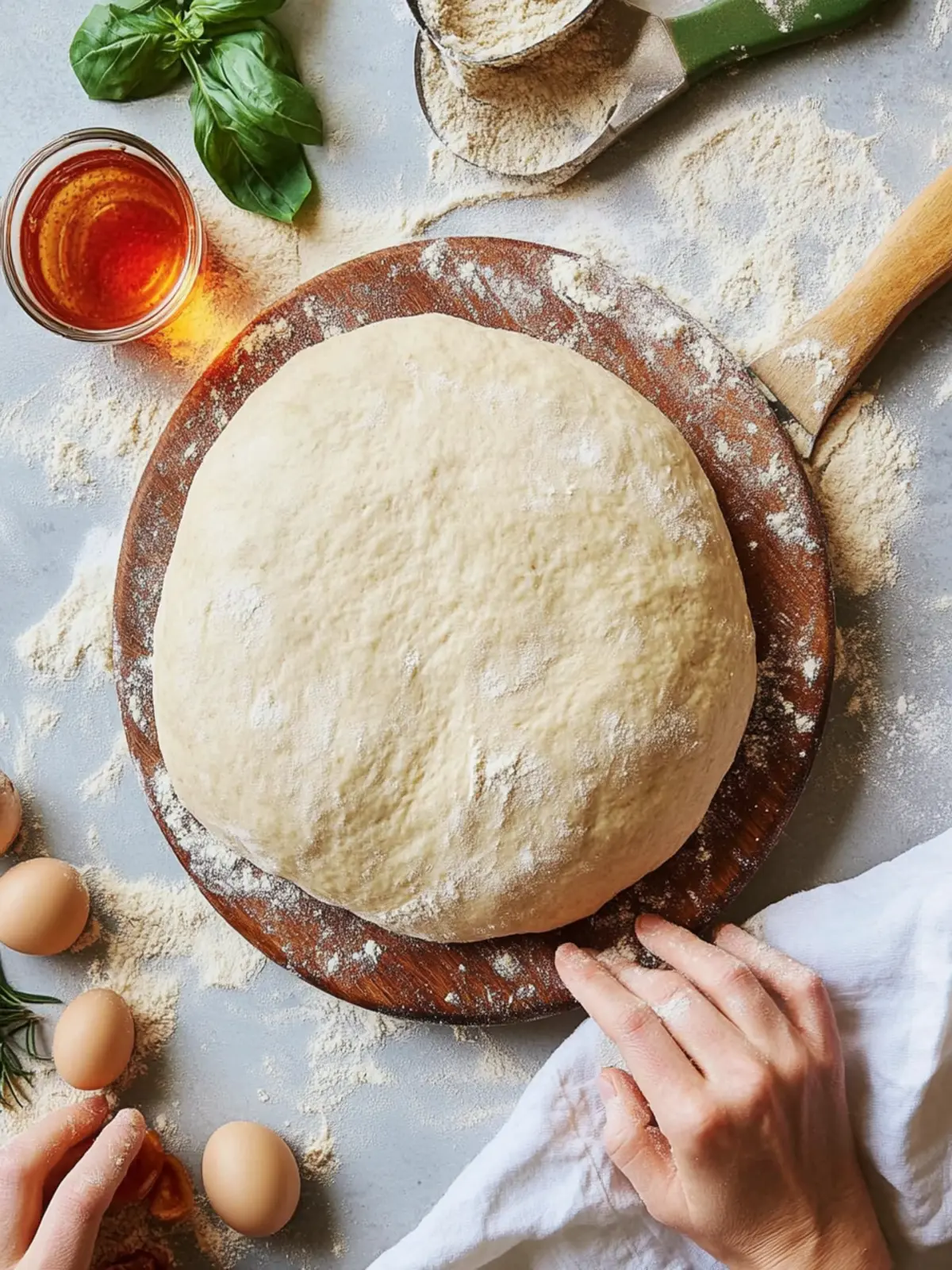
Why is Homemade Pizza Dough a Game Changer?
Simplicity: This recipe requires just six easy-to-find ingredients, making it perfect for even the most novice chefs.
Crowd-Pleasing: A homemade pizza experience will impress family and friends, turning every meal into a celebration.
Versatile: Customize your dough with different flours and toppings, ensuring everyone finds their favorite combination.
Rich Flavor: The process allows for a fresher taste that beats store-bought options every time.
Save Time: Prepare and refrigerate the dough ahead of time, so you can whip up a pizza whenever cravings strike.
Try this easy pizza dough recipe and discover how effortless it is to make magic in your kitchen!
Homemade Pizza Dough Ingredients
• Here’s what you need for the perfect crust!
For the Dough
- Warm Water – Activates the yeast; ensure it’s between 100°F to 110°F for best results.
- Sugar – Feeds the yeast for optimal proofing; can be substituted with honey or agave syrup.
- Active Dry Yeast – The heart of your dough that causes it to rise; make sure it’s fresh to ensure proper activation.
- All-Purpose Flour – Provides the essential structure and chewiness to your pizza crust; white whole wheat flour can be used for added nutrition.
- Sea Salt – Enhances flavor and helps to strengthen the dough structure; avoid coarse salt as it may not dissolve properly.
- Extra-Virgin Olive Oil – Adds moisture and flavor, enhancing the dough’s texture; can also be substituted with melted butter or a neutral oil.
Unleash your culinary creativity with this homemade pizza dough recipe!
How to Make Homemade Pizza Dough
-
Proof the Yeast: In a bowl, combine warm water, sugar, and active dry yeast. Let sit for 5 minutes until foamy and bubbly—this indicates that your yeast is alive and ready to work its magic!
-
Mix the Dough: In a stand mixer, combine all-purpose flour and sea salt. Pour in the yeast mixture and extra-virgin olive oil. Mix on medium speed for about 5–6 minutes, until a smooth dough ball forms. Adjust flour or water as needed for the right consistency.
-
First Rise: Lightly flour your work surface and turn the dough out. Shape it into a ball and place it in an oiled bowl. Cover with plastic wrap and let it rise in a warm area until doubled in size, about 1 hour. Watch that dough come to life!
-
Shape the Dough: After the dough has risen beautifully, turn it out onto a floured surface. Gently stretch or roll it into a circle, aiming for approximately 14 inches to fit your pizza pan perfectly.
-
Top and Bake: Now for the fun part! Add your favorite toppings, then bake in a preheated oven at 500°F for 10-15 minutes. Keep an eye on it until the crust turns a beautiful golden brown—your kitchen will smell divine!
Optional: Sprinkle with fresh herbs before serving for an extra pop of flavor.
Exact quantities are listed in the recipe card below.
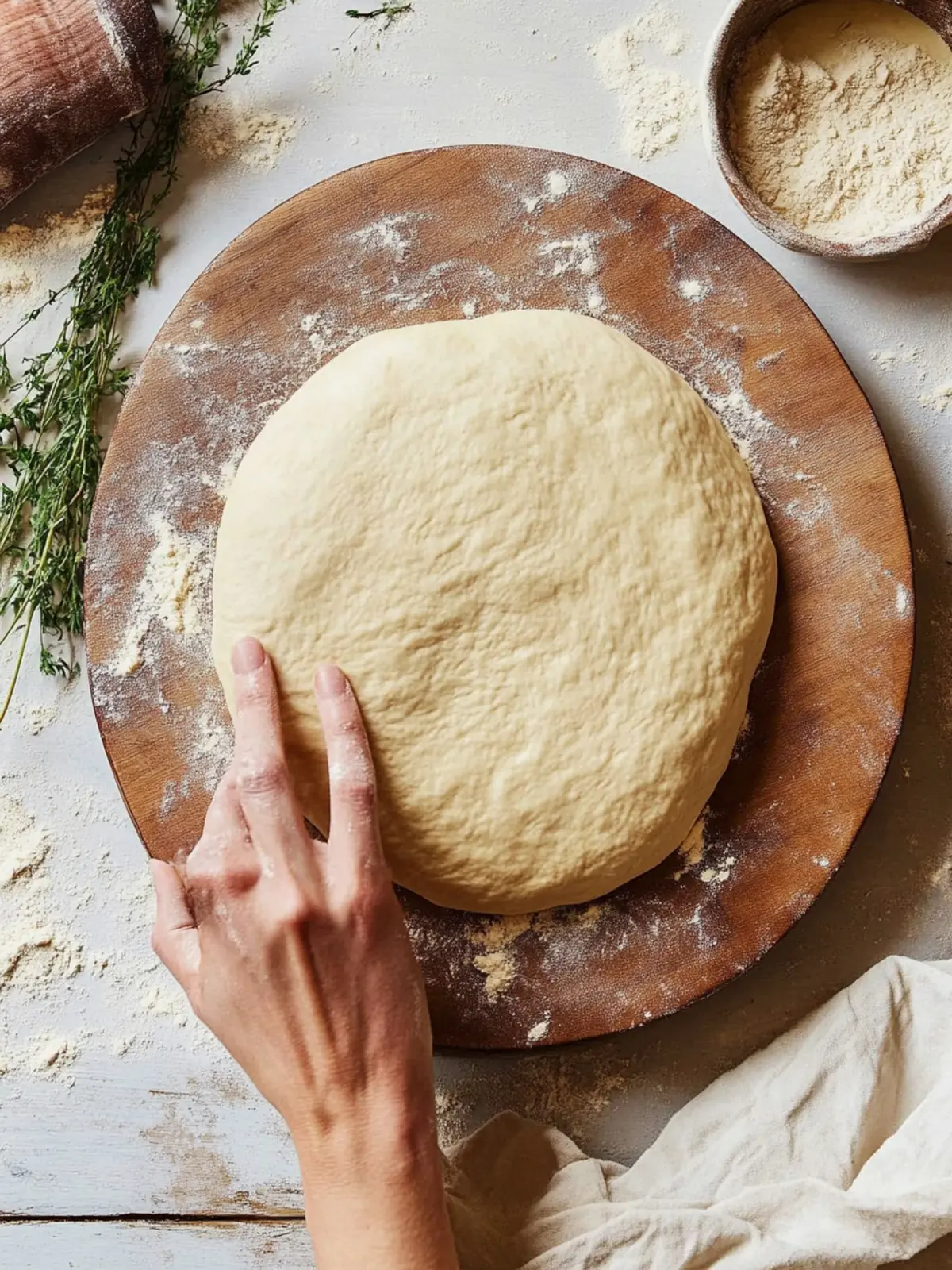
Homemade Pizza Dough Variations
There’s always room for creativity in the kitchen! Dive into these delightful twists to customize your pizza dough experience.
-
Whole Wheat: Substitute half of the all-purpose flour with white whole wheat for a nuttier, denser crust that’s full of fiber.
-
Herbed Dough: Mix in dried herbs like oregano or Italian seasoning for an aromatic flair that enhances every bite.
-
Garlic-Infused: Add minced garlic or garlic powder into the dough for an irresistible savory undertone that pairs beautifully with all toppings.
-
Spicy Kick: Stir in red pepper flakes for an unexpected heat, perfect for those who like their pizza with a dash of spice.
-
Cheesy Crust: Incorporate grated Parmesan or mozzarella into the dough to create a rich, cheesy base that elevates every slice.
-
Easily Shaped: Consider forming mini pizza rounds or flatbreads for a fun finger food experience at parties, great for kids and adults alike!
-
Sweet Twist: For dessert pizzas, replace some sugar with honey and add a sprinkle of cinnamon for a sweet, soft crust—yum!
-
Nutty Flavor: Use almond or oat flour for a gluten-free alternative that adds unique textures and flavors to your homemade pizza dough.
Expert Tips for Homemade Pizza Dough
-
Use Fresh Yeast: Always check the expiration date on your active dry yeast; if it’s not foaming during proofing, start again. Fresh yeast is key for great rise!
-
Temperature Matters: Ensure your warm water is between 100°F to 110°F. Too hot can kill the yeast, preventing your homemade pizza dough from rising properly.
-
Knead Well: Mix your dough for at least 5–6 minutes. Under-kneading can lead to a dense crust, while over-kneading makes it tough.
-
Preheat Your Oven: For the best results, preheat your oven to 500°F well before baking. This ensures a crispy crust that rivals your favorite pizzeria’s.
-
Par-Bake for Toppings: If you’re using wet toppings, consider par-baking your crust for 5-7 minutes before adding them. This prevents a soggy pizza and enhances texture!
Storage Tips for Homemade Pizza Dough
Room Temperature: Let the dough rise at room temperature for up to 2 hours before using. After that, any unused dough should be refrigerated.
Fridge: Store the dough in an airtight container in the refrigerator for up to 2 days. Allow it to come to room temperature before shaping.
Freezer: For longer storage, freeze the dough after the first rise for up to 3 months. Thaw in the refrigerator overnight before using to create delicious homemade pizza dough.
Reheating: If you have leftover pizza formed from the dough, reheat slices in the oven at 350°F for about 10 minutes for a crispy crust.
What to Serve with Homemade Pizza Dough?
To create the perfect pizza night, explore delicious and delightful accompaniments that complement your homemade crust.
-
Fresh Garden Salad: A crisp salad with mixed greens, cherry tomatoes, and a light vinaigrette balances the richness of the pizza while adding freshness. The acidity from the dressing awakens the palate, making each bite even more enjoyable.
-
Roasted Vegetables: Roasted bell peppers, zucchini, and red onions drizzled with olive oil offer a sweet and savory contrast to the cheesy goodness of your pizza. Their tender, caramelized edges bring warmth and depth to your meal.
-
Classic Marinara Sauce: Serve a side of rich marinara for dipping crusts or drizzling over your slices. This tangy tomato sauce enhances the flavors of your pizza and offers a nostalgic touch that brings everyone back to their favorite pizzeria.
-
Savory Garlic Knots: Pair soft, buttery garlic knots to complement the chewy crust of your pizza. The irresistible garlic and herb flavors make them a fun addition that everyone will love dunking in marinara or a creamy dip.
-
Brewed Iced Tea: A refreshing glass of iced tea, lemon-infused or unsweetened, will keep things light and elevate your pizza experience. The cool, soothing drink provides balance after each flavorful bite.
-
Dessert Pizza: End the meal with a sweet twist by baking a dessert pizza topped with fresh fruits and a drizzle of chocolate or caramel. It’s an exciting way to use your crust-style skills, leaving everyone satisfied and smiling.
-
Craft Beer or Wine Pairing: Choose a light, floral beer or a fruity red wine to bring out the savory flavors in your pizza. These beverages enhance the overall dining experience, making your evening feel special.
With these delightful sides and accompaniments, your homemade pizza dough will shine even brighter, creating an unforgettable dining experience.
Make Ahead Options
These homemade pizza dough preparations are a lifesaver for busy weeknights! You can make the dough up to 24 hours in advance by following the steps up to the first rise, then refrigerate it in an oiled bowl covered tightly with plastic wrap. This will enhance the flavors as it ferments. If you need even more time, consider freezing it after the first rise for up to 3 months; just allow it to thaw overnight in the refrigerator before use. When you’re ready to bake, bring the dough to room temperature, reshape, and stretch it out as usual. With these make-ahead options, delighting your family with homemade pizza is easier than ever!
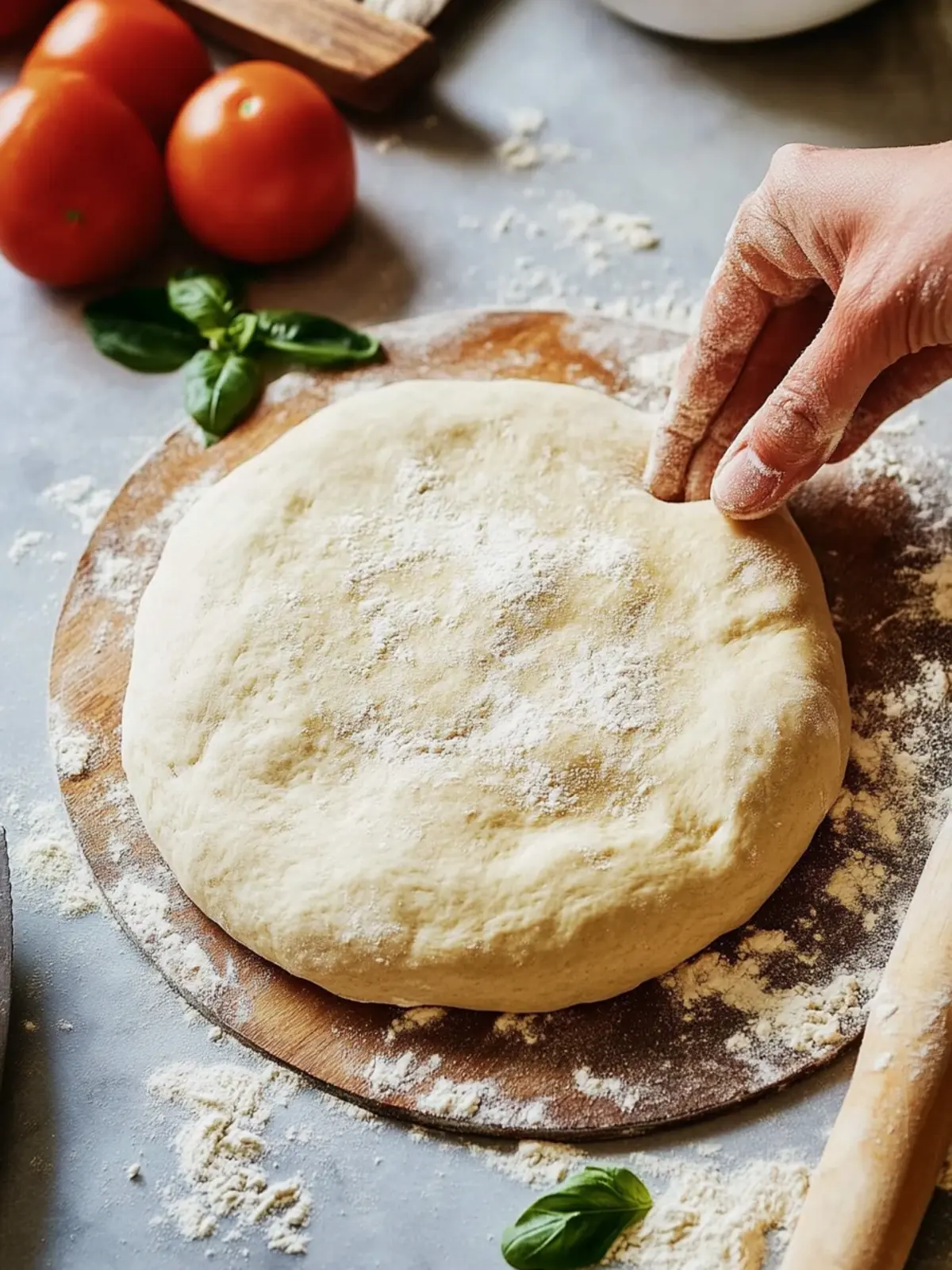
Homemade Pizza Dough Recipe FAQs
How do I choose the best warm water for my dough?
Absolutely! The water should be between 100°F to 110°F to activate the yeast effectively. If you don’t have a thermometer, it should feel warm but not hot to the touch. Too hot can kill the yeast, while too cold will slow it down significantly.
How should I store my leftover pizza dough?
You can refrigerate the dough in an airtight container for up to 2 days. Just remember to allow it to come to room temperature before you try to shape it again. This helps the gluten relax, making it easier to roll out!
Can homemade pizza dough be frozen for later use?
Very! To freeze, simply shape the dough into a ball after the first rise. Wrap it tightly in plastic wrap and then place it in a freezer bag. It can be stored in the freezer for up to 3 months. When you’re ready to use it, move it to the refrigerator the night before to thaw, then let it come to room temperature before shaping.
What common mistakes should I avoid while making pizza dough?
One common issue is using expired yeast, which leads to poor rising. Always check the freshness of your yeast before starting! Also, over-kneading or under-kneading your dough can drastically affect your crust’s texture—aim for that 5–6 minute mix. Lastly, don’t forget to preheat your oven well; a hot oven means a better crust!
Is it safe to use this dough if I have food allergies?
Definitely! You can adapt this homemade pizza dough recipe by using gluten-free flour to accommodate dietary restrictions, and if you have egg allergies, fret not—this recipe is egg-free naturally! Just be sure to double-check other ingredient labels for allergens like dairy when adding toppings.
How long does the dough need to rise before shaping?
Typically, the dough should rise for about 1 hour in a warm area until it’s doubled in size. Look for a puffed-up appearance; that’s the telltale sign that your dough is ready to be shaped!
Homemade Pizza Dough That Makes Every Bite a Delight
Equipment
- - Stand mixer
- Mixing bowl
- Baking sheet
- - Plastic wrap
Ingredients
For the Dough
- 1 cup Warm Water Between 100°F to 110°F
- 1 tbsp Sugar Can substitute with honey or agave syrup
- 2 tsps Active Dry Yeast Ensure it's fresh
- 3 cups All-Purpose Flour White whole wheat flour can be used
- 1 tsp Sea Salt Avoid coarse salt
- 2 tbsp Extra-Virgin Olive Oil Can substitute with melted butter or a neutral oil
Instructions
Making the Dough
- In a bowl, combine warm water, sugar, and active dry yeast. Let sit for 5 minutes until foamy and bubbly.
- In a stand mixer, combine all-purpose flour and sea salt. Pour in the yeast mixture and extra-virgin olive oil. Mix on medium speed for about 5–6 minutes.
- Lightly flour your work surface and turn the dough out. Shape it into a ball and place it in an oiled bowl. Cover with plastic wrap and let it rise in a warm area until doubled in size, about 1 hour.
- Turn the dough out onto a floured surface and gently stretch or roll it into a circle, aiming for approximately 14 inches.
- Add your favorite toppings, then bake in a preheated oven at 500°F for 10-15 minutes.