

There’s a certain joy that comes from whipping up something fresh and delicious right in your kitchen. The moment you create your own homemade mayonnaise, a world of flavor opens up—one that jarred versions simply can’t touch. I remember discovering this recipe during a weekend cooking spree, intent on using up leftover egg yolks. What started as a simple kitchen project quickly turned into a rich and creamy revelation, bursting with tangy goodness.
This homemade mayonnaise is not just a condiment; it’s a transformative ingredient that elevates everything from classic sandwiches to vibrant vegetable dips. With just a few everyday ingredients, you’ll be amazed at how easy it is to craft something so deliciously indulgent. Join me as we dive into the art of making homemade mayonnaise, and let’s discover why this creamy delight is the perfect addition to your culinary repertoire!
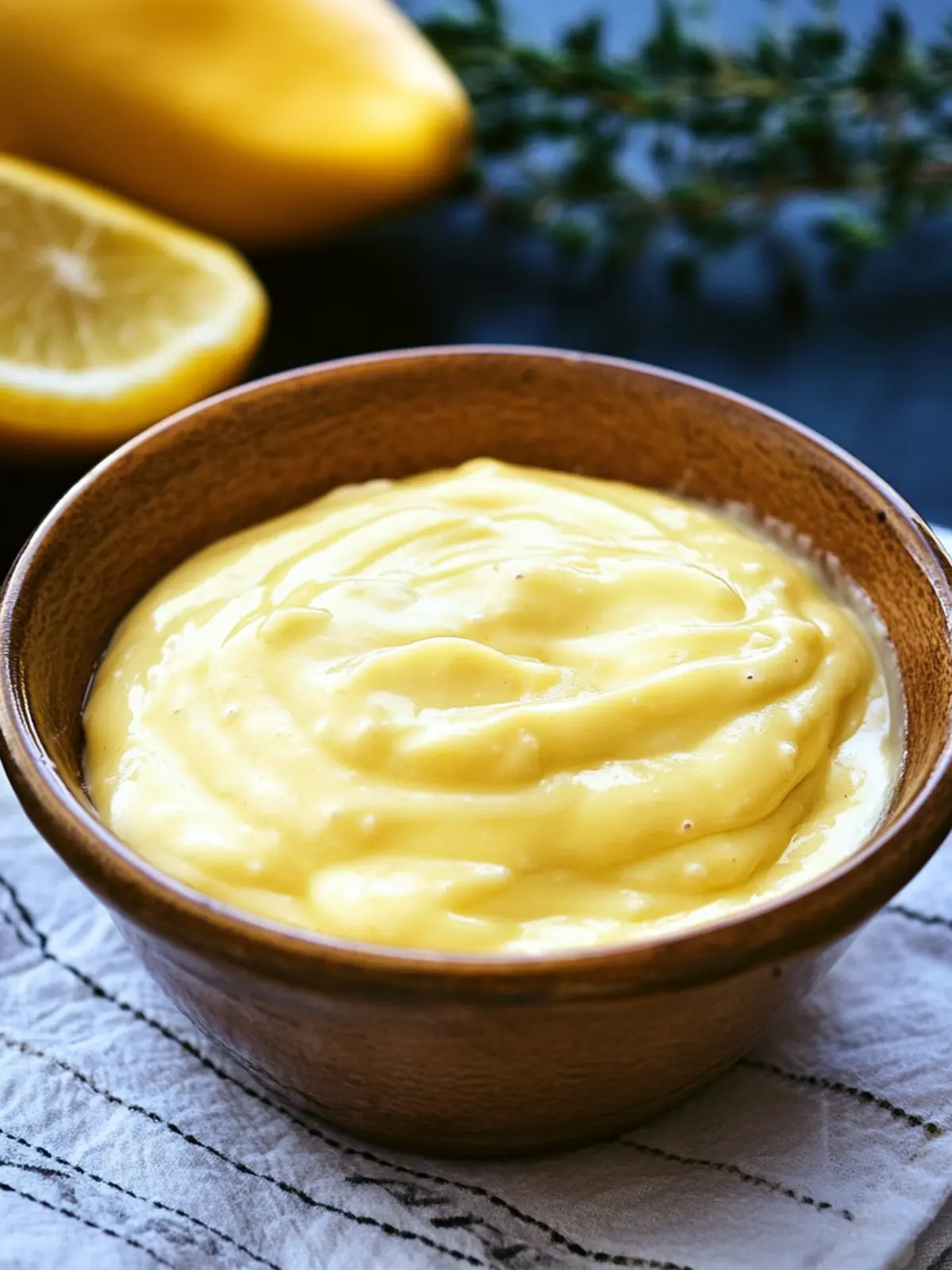
Why homemade mayonnaise is a must-try?
Elevating Flavors: Homemade mayonnaise adds a rich and creamy depth to any dish, enhancing the taste of even the simplest meals.
Fresh Ingredients: Every bite delivers the vibrant freshness of quality ingredients, leaving store-bought versions far behind.
Customization Options: Tailor it to your taste by experimenting with flavors, from garlic-infused aioli to zesty herb variations.
Quick to Make: In just minutes, you can whip up this pantry staple with minimal effort, perfect for busy home cooks.
Crowd-Pleasing Treat: Whether it’s a family dinner or a picnic with friends, everyone will love this luxurious condiment!
Don’t forget to check out additional tips to store your homemade mayonnaise for the best experience!
Ingredients for homemade mayonnaise
For the Mayonnaise
• 2 large egg yolks – Provides richness and emulsification; ensure eggs are fresh for the best results.
• 2 teaspoons fresh lemon juice or white wine vinegar – Adds tanginess and helps stabilize the emulsion.
• 1/2 teaspoon Dijon mustard – Enhances flavor and emulsifies the mixture beautifully.
• 3/4 cup canola oil (up to 1 cup) – Creates the creamy texture; adjust quantity for desired consistency.
• Sea salt – Enhances flavor; add to taste.
• 1 pinch cayenne pepper (optional) – Adds a subtle heat; omit if not desired.
Enjoy crafting your homemade mayonnaise with these simple yet essential ingredients!
How to Make Homemade Mayonnaise
-
Whisk Together: In a medium bowl, whisk the egg yolks, lemon juice or vinegar, and Dijon mustard until the mixture is smooth and well combined. This forms the flavorful base for your mayonnaise!
-
Add Oil Slowly: Start adding the canola oil just one drop at a time while whisking constantly. This is crucial for forming a stable emulsion—be patient, it’s worth it!
-
Continue Whisking: Once the mixture begins to thicken, you can add the oil in a steady drizzle while continuing to whisk vigorously. Keep going until you reach a creamy consistency.
-
Adjust Thickness: If your mayonnaise is too thick for your liking, you can whisk in a little more lemon juice or vinegar to loosen it up. Taste and adjust the flavors as you go!
-
Season to Taste: Add a pinch of sea salt and, if desired, a hint of cayenne pepper for some subtle heat. Whisk until everything is blended together.
-
Store Safely: Transfer the homemade mayonnaise to a clean container. If not using immediately, store it in the refrigerator where it can last up to a week.
Optional: For extra flavor, try adding fresh herbs or garlic once the mayo is made.
Exact quantities are listed in the recipe card below.
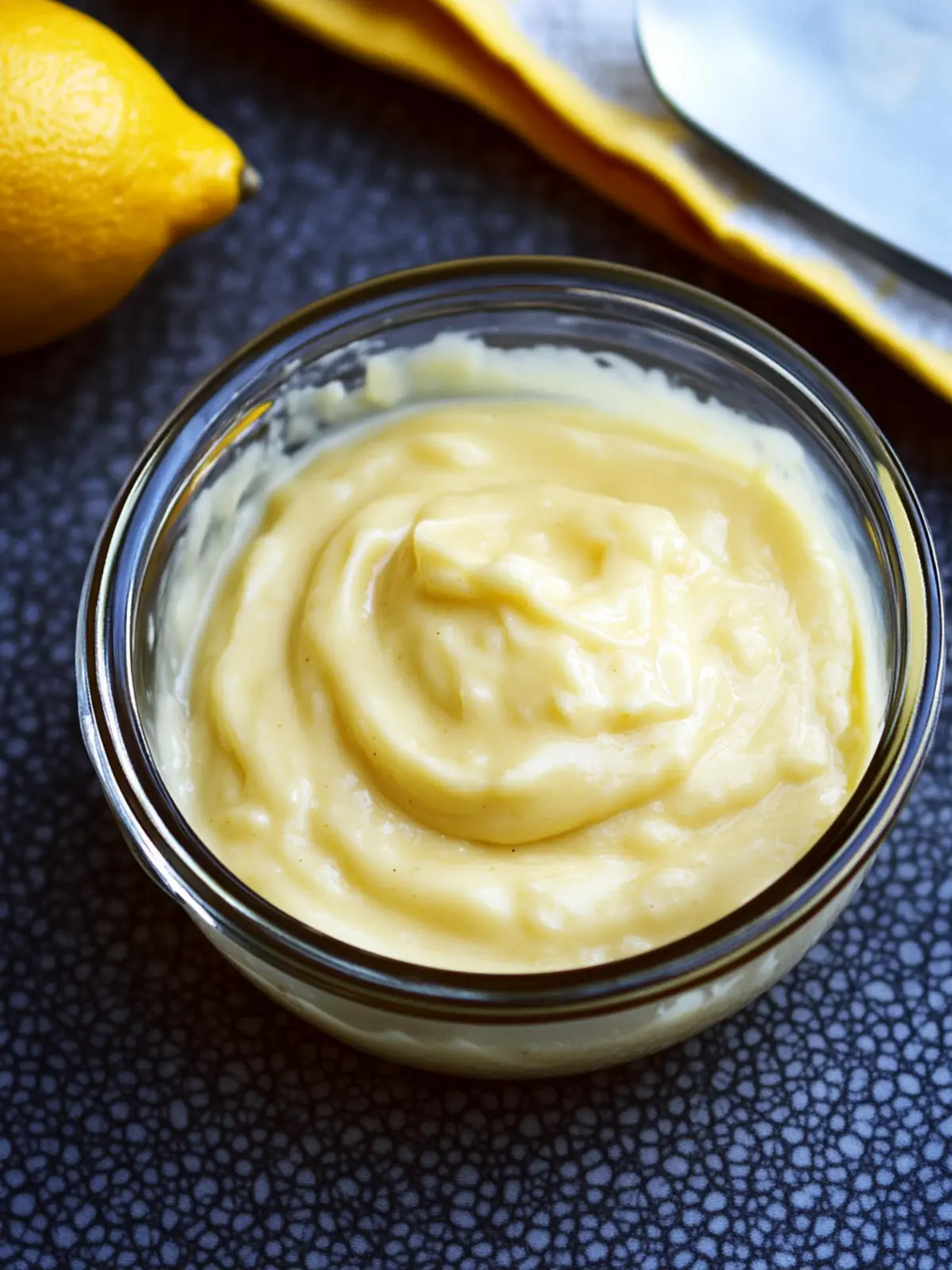
Make Ahead Options
Homemade mayonnaise is a fantastic option for meal prep, saving you time during busy weeknights while still delivering fresh flavor. You can prepare the mayonnaise up to 24 hours in advance, allowing it to develop a deeper taste. Simply make the mayonnaise according to the full recipe and store it in an airtight container in the refrigerator. To maintain its creamy consistency, ensure the container is tightly sealed to avoid absorption of any odors. When you’re ready to serve, give it a quick stir to refresh its texture, and enjoy the zesty delight that will elevate your meals with minimal effort!
Homemade Mayonnaise Variations
Feel free to bring your own flair to this delightful recipe—your taste buds will thank you!
-
Garlic Aioli: Swap canola oil for extra-virgin olive oil and whisk in crushed garlic for a bold flavor twist. The garlic adds a punch that will mesmerize your palate!
-
Herbed Delight: Incorporate fresh or dried herbs like basil, dill, or tarragon to infuse your mayonnaise with vibrant flavors. Experiment to find your perfect herb balance to enhance sandwiches and dips.
-
Spicy Sriracha: Stir in a tablespoon of Sriracha or your favorite hot sauce for a fiery kick. This variation is perfect for those who love a little heat in their condiments.
-
Lemon Zest: Add a teaspoon of fresh lemon zest for an extra zesty punch that brightens the mayonnaise. This zing will elevate the overall freshness and flavor of your dishes.
-
Chipotle Kick: Blend in minced chipotle peppers in adobo sauce for a smoky and spicy rendition. The depth of flavor brings a delicious complexity to your homemade mayo that’s hard to resist.
-
Honey Mustard: Mix in a teaspoon of honey along with extra mustard for a sweet and tangy version. This unique blend works wonders in sandwiches and salads alike!
-
Avocado Oil: Substitute canola oil with avocado oil for a heart-healthy twist. It lends a buttery flavor and a gorgeous green hue that might just become your new favorite!
-
Pickle Infusion: Chop up some dill pickles and whirl them into the mayonnaise for a tangy relish effect. This variation works beautifully in potato salads or as a sandwich spread!
What to Serve with Homemade Mayonnaise?
Elevate your meals with creative pairings that showcase the luxurious richness of your freshly made mayonnaise.
- Classic Sandwiches: A luscious spread on any sandwich, homemade mayonnaise adds a creamy texture that enhances flavors beautifully.
- Veggie Platters: Use as a vibrant dip for raw vegetables; the tangy flavor brings life to crunchy bites like carrots and bell peppers.
- Seafood Dishes: Drizzle over grilled shrimp or fish tacos for an irresistible touch—its creaminess complements seafood’s delicate flavors perfectly.
- Potato Salad: Incorporate into potato salad for added richness, creating a delightful base that binds the ingredients together with creamy goodness.
- Deviled Eggs: Mix it into deviled eggs for a zesty twist; this simple enhancer brings a gourmet flair to your appetizer spread.
- Coleslaw: Add homemade mayonnaise to coleslaw for an enriched dressing that balances the crunch of cabbage and carrots with a lush finish.
- Fish & Chips: Serve as a dipping sauce for crispy fish and chips; this classic combination brings out the best in both realms.
- Gourmet Burgers: Elevate your burger game by spreading it on buns—it adds a layer of flavor that will have everyone coming back for seconds!
- Herb-Infused Options: Consider mixing in fresh herbs for unique twists, enhancing everything from quiches to pasta salads with freshness and flavor.
- Sparkling Water: Pair your meal with a refreshing sparkling water; its effervescence cleanses the palate between rich bites, making every mouthful delightful.
How to Store and Freeze Homemade Mayonnaise
-
Fridge: Store your homemade mayonnaise in an airtight container in the refrigerator, where it will keep for up to one week. Always use a clean spoon to avoid contamination.
-
Freezer: While freezing mayonnaise is not recommended due to potential texture changes, if necessary, you can freeze it in an airtight container for up to 2 months. Thaw in the fridge before using.
-
Reheating: If you find the mayonnaise has separated after freezing, simply whisk it vigorously to re-emulsify before serving.
-
Customization: Feel free to modify flavors with herbs or spices when preparing new batches; the freshness of ingredients ensures your mayonnaise remains delightful!
Expert Tips for Homemade Mayonnaise
-
Fresh Eggs: Always use fresh, room-temperature eggs for better emulsification and flavor in your homemade mayonnaise.
-
Add Oil Slowly: When adding oil, do it gradually—starting with just a drop at a time—to avoid separation and ensure a stable emulsion.
-
Temperature Matters: If using a blender, maintain low to medium speed to prevent over-whipping, which can lead to a grainy texture.
-
Adjust Consistency: If your mayo is too thick, whisk in a bit of lemon juice or vinegar to reach the desired creaminess without losing flavor.
-
Taste as You Go: Don’t hesitate to adjust salt or add extra seasonings. The beauty of homemade mayonnaise lies in its versatility!
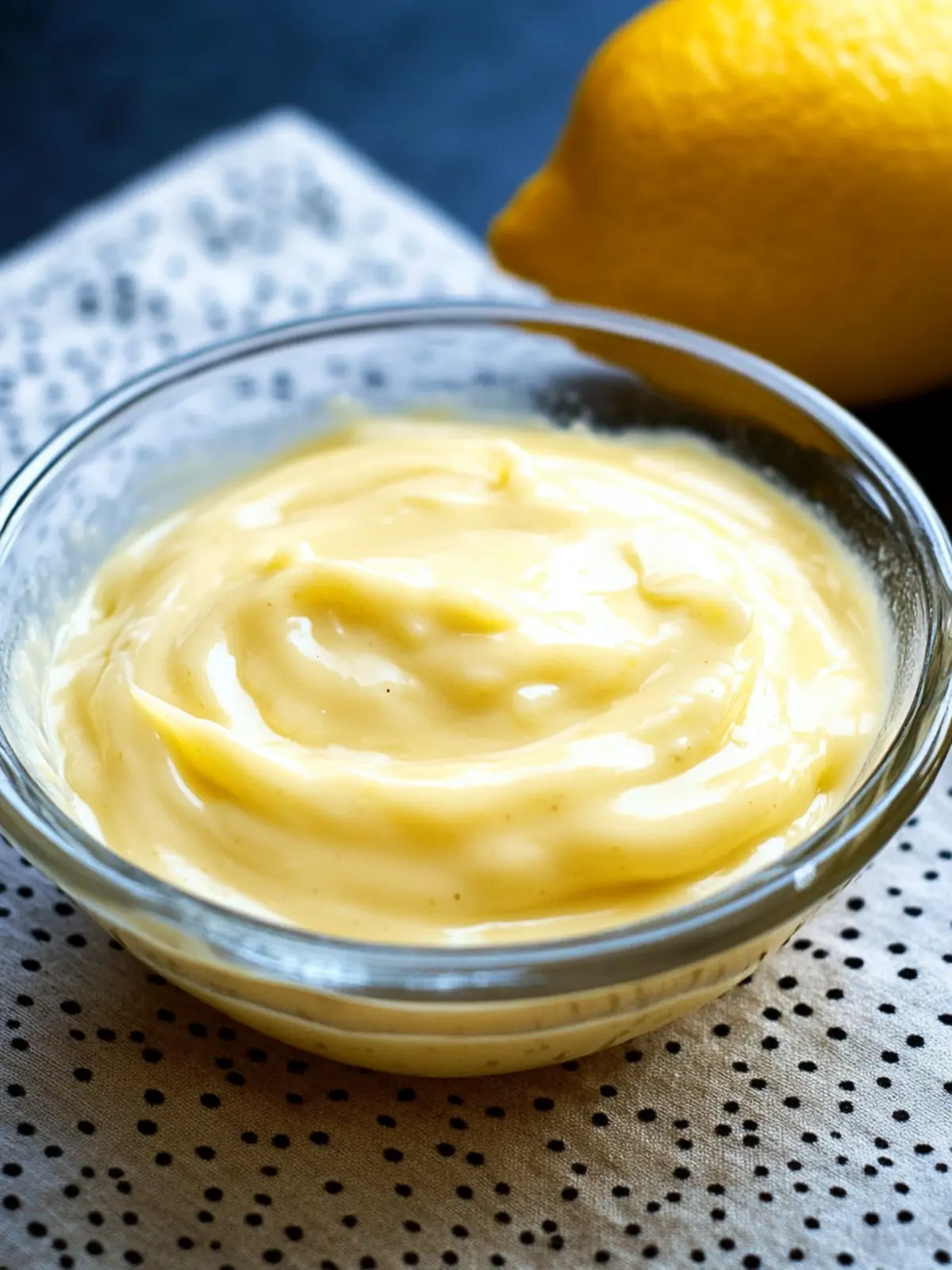
Homemade Mayonnaise Recipe FAQs
What type of eggs should I use for homemade mayonnaise?
Absolutely! For the best results in your homemade mayonnaise, it’s essential to use fresh, room-temperature large egg yolks. Fresh eggs not only provide the necessary richness and emulsification but also ensure better flavor and stability in the final product.
How long can I store homemade mayonnaise?
You can store your homemade mayonnaise in an airtight container in the refrigerator for up to one week. Always remember to use a clean spoon each time to keep it safe from contamination. If you see any changes in color or smell, it’s best to discard it.
Can I freeze homemade mayonnaise?
While freezing is generally not recommended for homemade mayonnaise due to changes in texture, it can be frozen if necessary. Pour the mayonnaise into an airtight container, and freeze for up to 2 months. When ready to use, thaw in the refrigerator, and whisk vigorously to re-emulsify it before serving.
What if my mayonnaise separates while making it?
Don’t worry! If your mayonnaise separates during the process, you can rescue it easily. Simply take a new bowl and whisk in a teaspoon of lemon juice or vinegar. Then, slowly add the separated mayonnaise while whisking until the mixture recombines. It can be a little labor-intensive, but it’s worth it!
Is homemade mayonnaise safe for people with egg allergies?
Homemade mayonnaise is not suitable for individuals with egg allergies. For a similar creamy texture, consider using aquafaba (the liquid from canned chickpeas) as a base instead. You can follow the same emulsifying techniques to create a delightful egg-free mayonnaise alternative.
Can I adjust the flavor of my homemade mayonnaise?
Very! One of the beauties of making your own homemade mayonnaise is the ability to customize it to your taste. You can add roasted garlic to create a delicious aioli or even experiment with different oils and herbs for unique flavor profiles. Enjoy the adventure of finding your perfect blend!
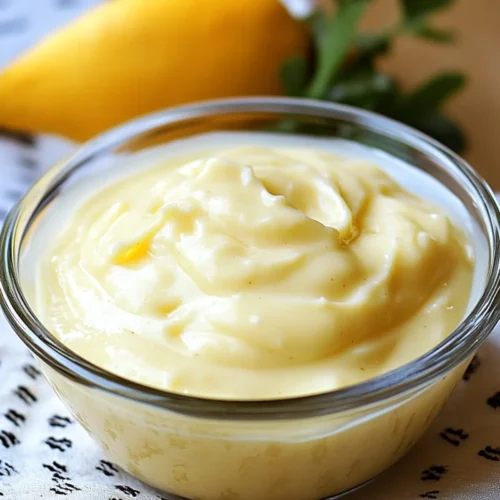
Creamy Homemade Mayonnaise That Elevates Any Dish
Equipment
- medium bowl
- Whisk
Ingredients
For the Mayonnaise
- 2 large egg yolks Provides richness and emulsification; ensure eggs are fresh for the best results.
- 2 teaspoons fresh lemon juice or white wine vinegar Adds tanginess and helps stabilize the emulsion.
- 1/2 teaspoon Dijon mustard Enhances flavor and emulsifies the mixture beautifully.
- 3/4 cup canola oil Creates the creamy texture; adjust quantity for desired consistency.
- sea salt Enhances flavor; add to taste.
- 1 pinch cayenne pepper Adds a subtle heat; omit if not desired.
Instructions
How to Make Homemade Mayonnaise
- In a medium bowl, whisk the egg yolks, lemon juice or vinegar, and Dijon mustard until the mixture is smooth and well combined.
- Start adding the canola oil just one drop at a time while whisking constantly.
- Once the mixture begins to thicken, you can add the oil in a steady drizzle while continuing to whisk vigorously.
- If your mayonnaise is too thick for your liking, you can whisk in a little more lemon juice or vinegar to loosen it up.
- Add a pinch of sea salt and, if desired, a hint of cayenne pepper for some subtle heat.
- Transfer the homemade mayonnaise to a clean container and store it in the refrigerator.